
Setting unhandled horses up for success
We catch up with Icelandic horses in our care to find out how our team works with semi-feral horses.
Posted on 25/03/2026
Share


Our four specialist rescue and rehoming centres across Britain are at the heart of every horse’s recovery journey. When a horse arrives unhandled, our dedicated teams provide expert, compassionate care and training tailored to each individual.
Last year, our charity helped rescue and take in one of the largest groups of rare breed horses in our history – with 40 semi-feral Icelandic horses coming into our care.
We are delighted that some of them have already found loving new homes. Now, as our team continues to work diligently with the horses still in our care, we meet Hall Farm Yard Supervisor Lorraine Holmes. She shares insights into how the team works with these relatively unhandled horses to set them up for success.
The arrival of unhandled horses
“When the Icelandics first arrived, they didn’t want us anywhere near them – which we expect from unhandled horses. We use food to create a positive association with people and will start off their handling training by bringing them into the barn loose, feeding them and simply turning them back out again. By using temporary fencing, we can create tracks that we can herd them along whilst keeping our distance. So we aren’t putting too much pressure on them. We’ll work with them pretty much daily at this point, to get them into a routine and help make it all easier for them.“

Making a connection
“Once they’re comfortable coming into a stable, we’ll start trying to get a bit closer to them, making sure not to overwhelm them. Food is also really useful for this. We’ll aim to reach the point of them being happy to eat out of a scoop that we’re holding. For many of the unhandled horses who come in, we’ll then use something we call a ‘touchy stick’. This is a stuffed glove on the end of a stick which helps get them used to being touched without us needing to be right in their space. We use negative reinforcement – taking the touchy stick away when they stand still – together with positive reinforcement – pony nuts!”
Compassionate care
“It’s amazing how often unhandled horses take a noticeable leap forward in their confidence once they’re happy with the touchy stick. Being comfortable being touched is such a significant milestone in their training. Once they’re happy with the touchy stick, everything else starts to become a lot easier. Next, we’ll gradually move our hand down the stick so it gets closer and closer to them, until we can touch them with our own hand. At this point we can start to introduce scratches. This is a great way to make friends with them and also a really useful positive reinforcement tactic that we can use as their training progresses.”

Introducing leading training
“From there, we can introduce grooming brushes and start getting them comfortable having their legs and feet handled. Once we’ve got them comfortable wearing a headcollar, we can start to introduce leading training. We’ll do this in a stable initially, before progressing to walking up and down inside the barn – making sure that it’s quiet to begin with. Once they’re leading confidently in the barn, we’ll progress to walking them back out to the field through the temporary track. Before too much longer, they’ll be confident leading in and out and we can dispense with the fenced track.“

Setting unhandled horses up for success
“During the early stages of their handling training we work with them in small groups. We make sure they’ve always got at least one friend nearby, which helps to keep them calm. When the group are all doing well, the next step is to start bringing them in with a different friend and eventually by themselves. This is something they’ll need to do in their future home. Some unhandled horses progress much more quickly than others, so each one will get however much time they need. We never want to frighten them and have them lose their confidence. It’s been incredible to see how quickly the first few groups of Icelandics we’ve done handling training with have come on since they arrived here. They’re lovely little characters and becoming very friendly as they grow in confidence.”

You can see all of our horses, ponies, donkeys and mules who are ready to find new homes on our rehoming pages. Please note that we’re not able to keep a waiting list of interested rehomers, so it’s best to keep an eye on our website, which is usually updated every Wednesday afternoon.
Share
Topics
Related Blog Posts
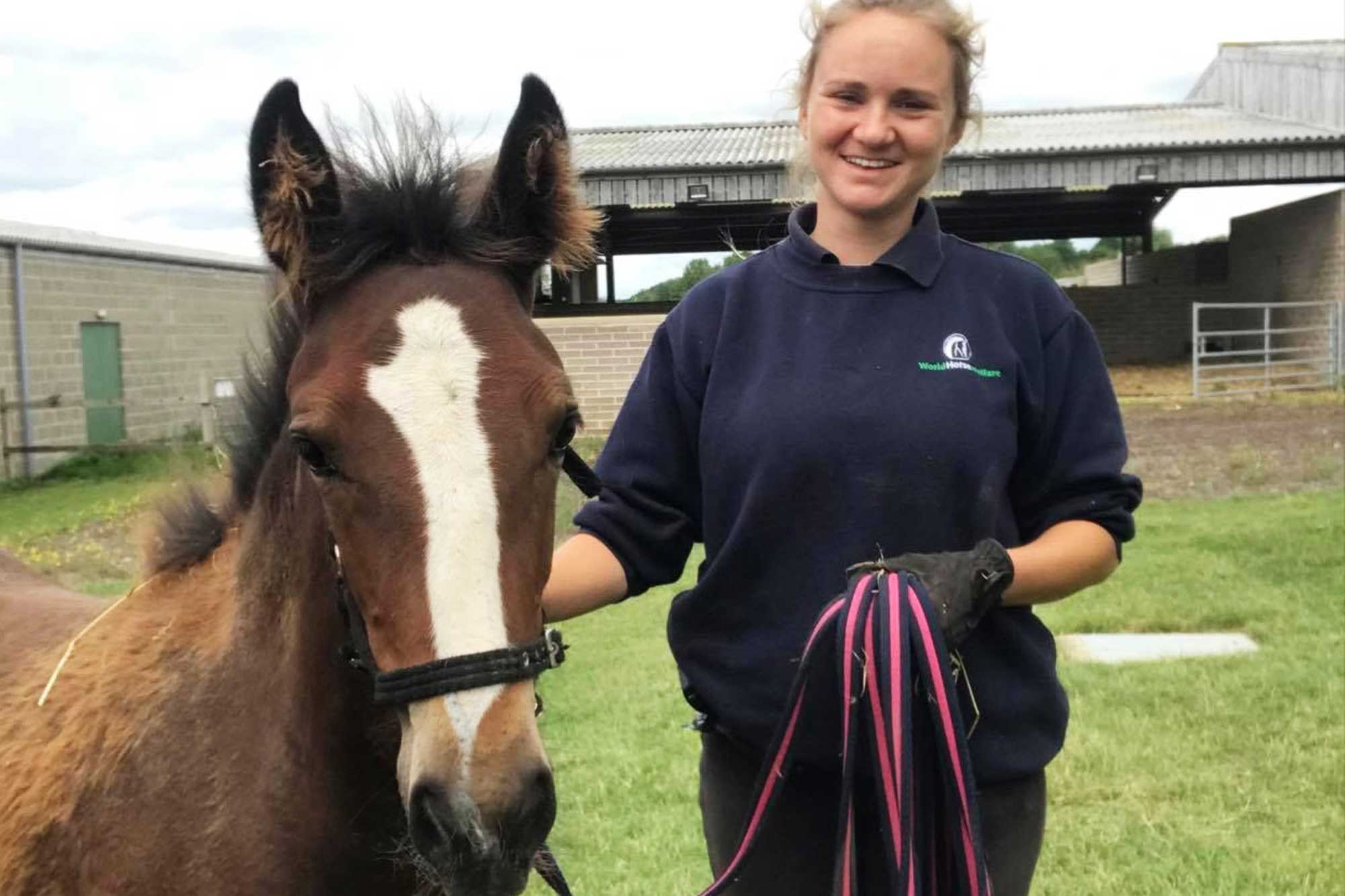
Buena’s story – how our foals are cared for from birth to rehoming
Senior Groom Steph introduces lovely filly Buena and explains how the team care for foals from birth right through to finding them a loving home for youngster handling.
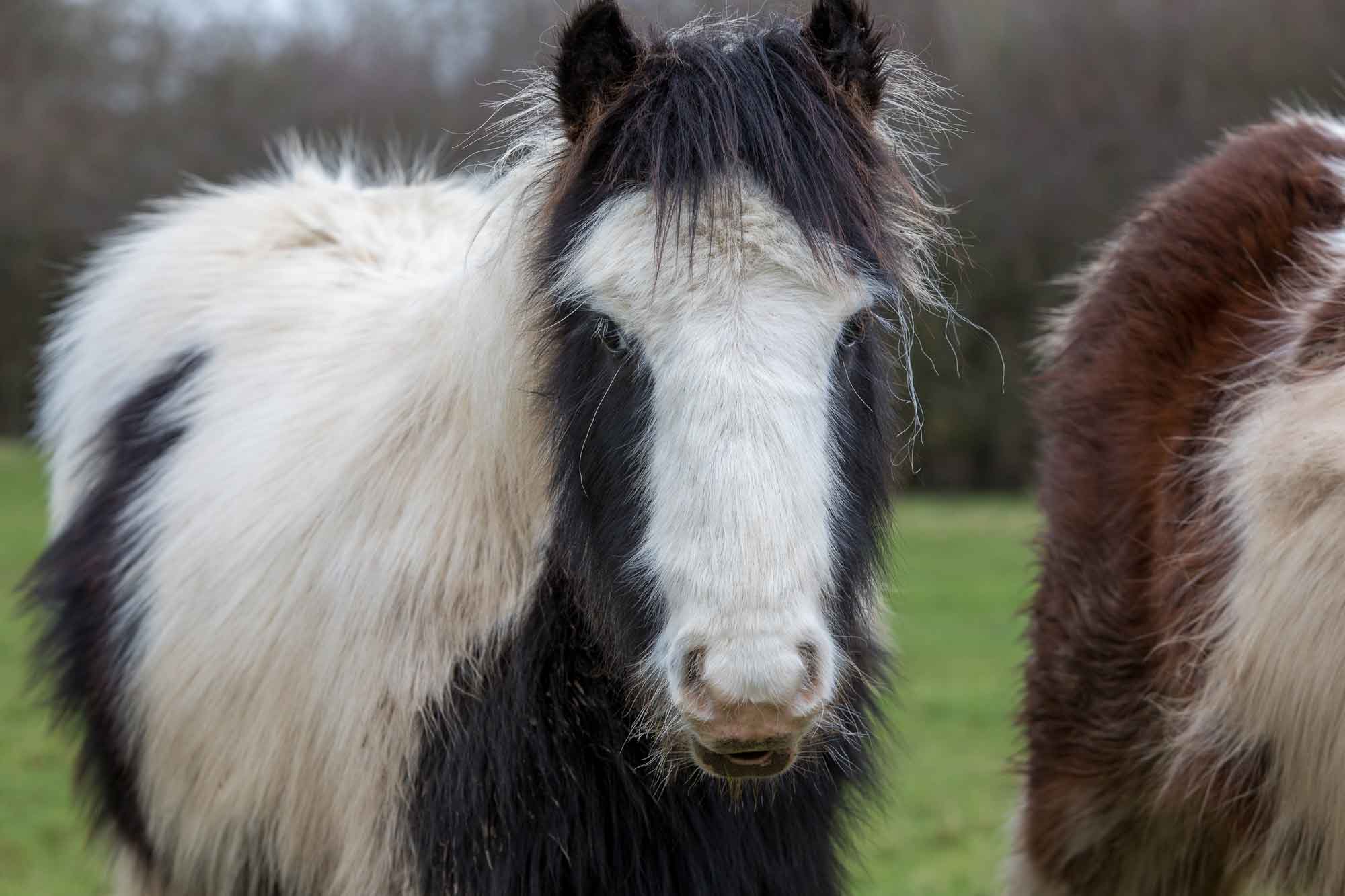
Behind the scenes: the first few months as a World Horse Field Officer
Find out what really goes on behind the scenes as a World Horse Welfare Field Officer.
Recommended News Articles

Rescue and Rehoming Centres reopening to the public on the 18th of August
We’re really excited to be reopening after being closed to the public for almost 18 months due to the pandemic.
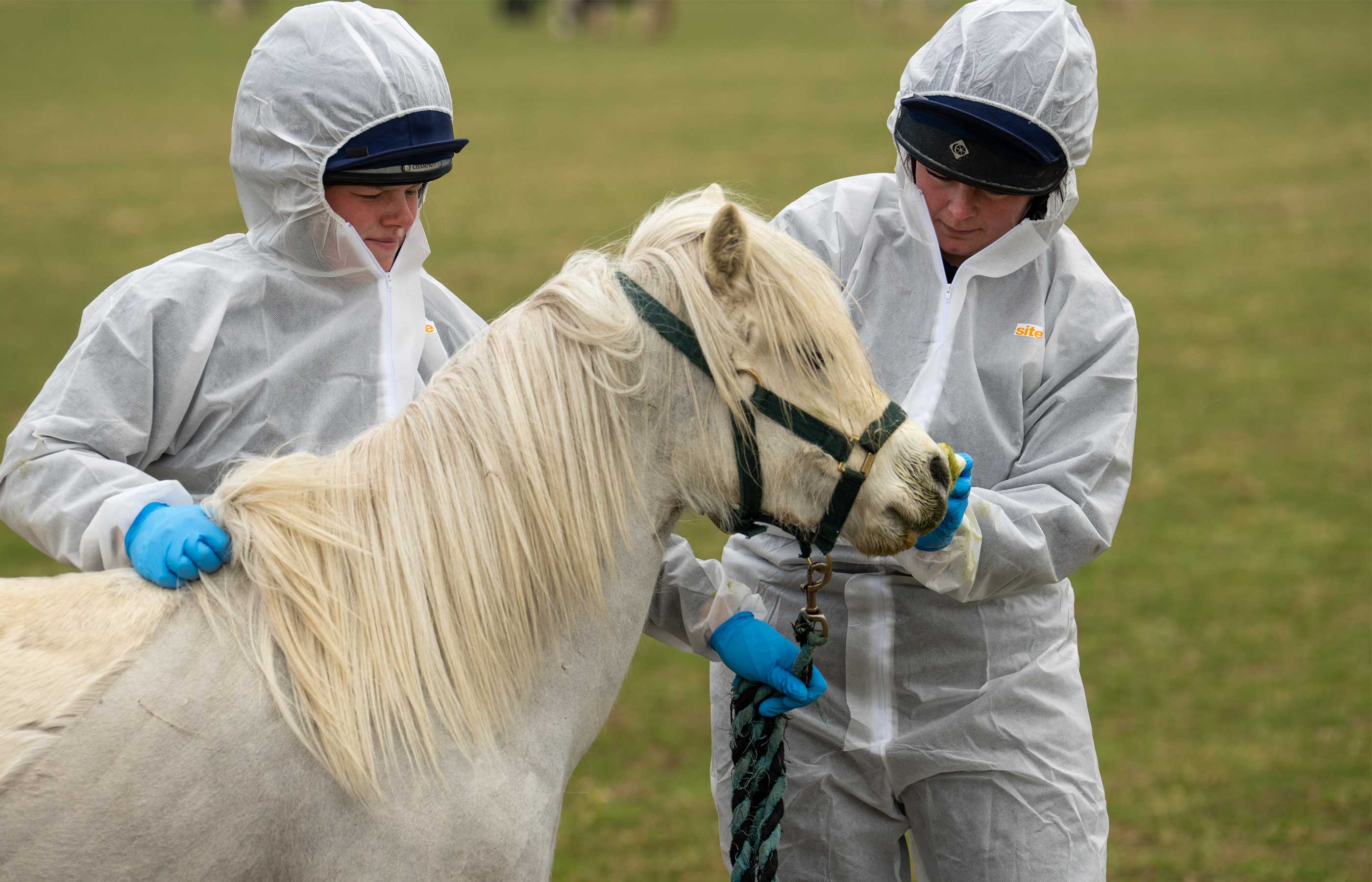
It’s Strangles Awareness Week 2026!
With nearly 500 lab-confirmed cases of strangles in the UK last year, awareness of the disease is more important than ever.
Equestrians, politicians, academics and a zookeeper set to explore the world ‘Through the horse’s eyes’
Our 2025 Conference will take place on 21st November, welcoming speakers and attendees from around the globe.
Enjoy reading stories like this?
Join over 65,000 other horse lovers and sign up for our email newsletter
Join over 65,000 other horse lovers and sign up for our email newsletter
Sign me up now
