Equine charities welcome interception of over 3,000 hides from illegally slaughtered donkeys
The charities, which make up the ICWE coalition, have welcomed the decisive action by Kenyan authorities.
Posted on 02/04/2026
Share


Global equine charities have welcomed the interception of over 3,000 hides from donkeys in Kenya this week, who were illegally slaughtered for the skin trade.
The 3,721 hides, likely from donkeys killed in the bush, were intercepted en route to Mombasa, with those allegedly responsible appearing in Kitui courts yesterday.

Authorities also intercepted 64 donkeys being moved under conditions suggesting they were headed for slaughter.
Demand for ejiao, a remedy made from donkey skin used in cosmetics and supplements, has reduced China’s donkey population, leading to huge export industries in Africa.
Chris Wainwright, CEO of Brooke Action for Horses and Donkeys, said:
“While we welcome the swift action taken by Kenyan authorities in intercepting these hides and holding those responsible to account, this incident is a stark reminder that the illegal donkey skin trade continues to operate despite clear bans.
“Brooke’s research predicts that if a continent-wide ban on the trade isn’t enforced, Africa could lose half its donkeys by 2040. They are still being brutally killed, undermining both animal welfare and the livelihoods of communities that depend on them.
“We urge continued vigilance, stronger enforcement, and international collaboration to ensure this cruel trade is brought to an end for good.”
In February 2024, African Union member states agreed to a continent-wide moratorium on the trade in donkey hides, effectively banning the slaughter of donkeys for their skins. Member states, including Kenya, are expected to implement the decision through national legislation – such as revoking licences for commercial slaughterhouses.
Ian Cawsey, Chair of ICWE and Director of Advocacy and Campaigns at The Donkey Sanctuary, said:
“Research by The Donkey Sanctuary shows at least 5.9 million donkeys are slaughtered every year to meet the growing demand for ejiao – fueling a cruel trade that continues to operate in the shadows despite the African Union’s continent‑wide moratorium on the slaughter of donkeys for their skins.
“This latest incident is a clear reminder of the ongoing threat posed by the skin trade. It’s reassuring to see such swift and determined action from the Kenyan authorities and to know those involved will be held to account, and we urge all AU member states to show the same vigilance and enforcement.
“These intelligent and sensitive animals are a lifeline to communities in Kenya, across Africa, and around the world, and only through strong action and international cooperation can this exploitative trade finally be brought to an end.”
Roly Owers, Chief Executive of World Horse Welfare, said:
“Donkeys are essential to the livelihoods and resilience of communities across Africa and around the world. The illegal and unsustainable donkey skin trade inflicts immense suffering on these animals and the people who rely on them.
“The recent interception of hides from illegally slaughtered donkeys in Kenya is yet another clear reminder of the scale and urgency of this vile activity. We must put an end to this unsustainable and inhumane trade once and for all.
“Implementation of the African Union moratorium on donkey slaughter is critical, and strong, coordinated action is needed across borders. Only through a united, continent-wide effort can we protect donkeys and safeguard the communities that depend on them.”
Linda Edwards, Chief Executive of the Society for the Protection of Working Animals Abroad (SPANA), said:
“This seizure of donkey hides is a stark reminder of the scale of the global donkey skin trade and its severe implications for donkey welfare. The donkeys that have died as a result of this shipment will have suffered immensely.
“The donkey skin trade is having a devastating impact across Africa. It’s also a growing concern for communities, as donkeys are essential working animals for millions of people. As a result, their absence has serious consequences for people’s livelihoods.
“We commend the Kenyan authorities for their decisive action and urge governments across Africa to fully enforce the moratorium and protect these valued animals.”
Brooke, The Donkey Sanctuary, World Horse Welfare and SPANA make up the International Coalition of Working Equids (ICWE), a coalition supporting the welfare of working animals globally.
ICWE is calling for urgent, united action to enforce the African Union ban, end the illegal donkey skin trade and safeguard the animals and communities at risk.
Share
Topics
Related News
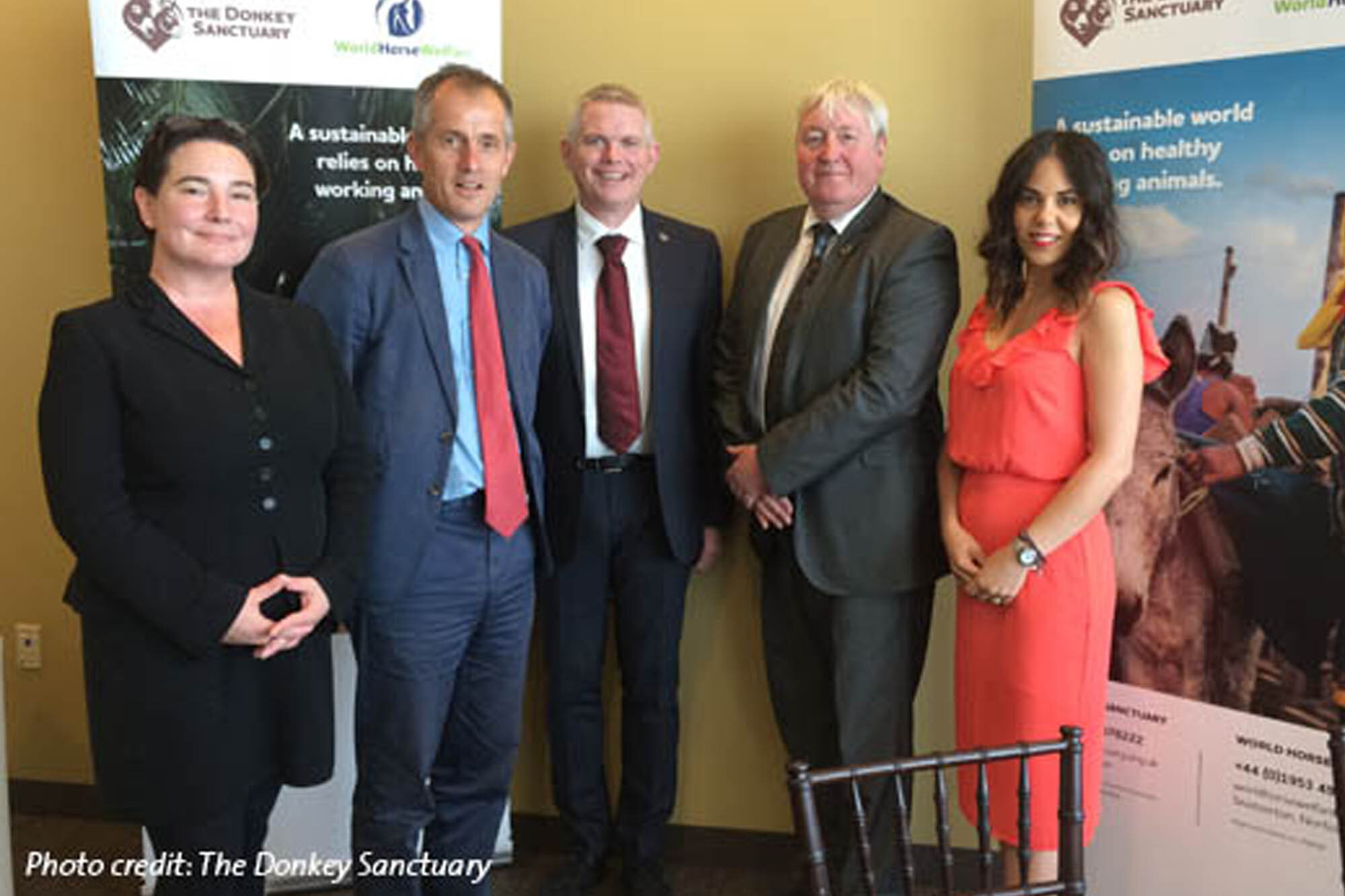
The Donkey Sanctuary and World Horse Welfare represent equine welfare charities at the UN General Assembly
The two charities highlighted the vital contribution of working horses, donkeys and mules in achieving the UN Sustainable Development Goals.

Coalition For Working Equids welcomes statement on need to protect equine welfare in donkey trade
On World Donkey Day, the International Coalition for Working Equids (ICWE) welcomed the World Organisation for Animal Health’s (OIE) 3 May statement.
Recommended Blog Posts
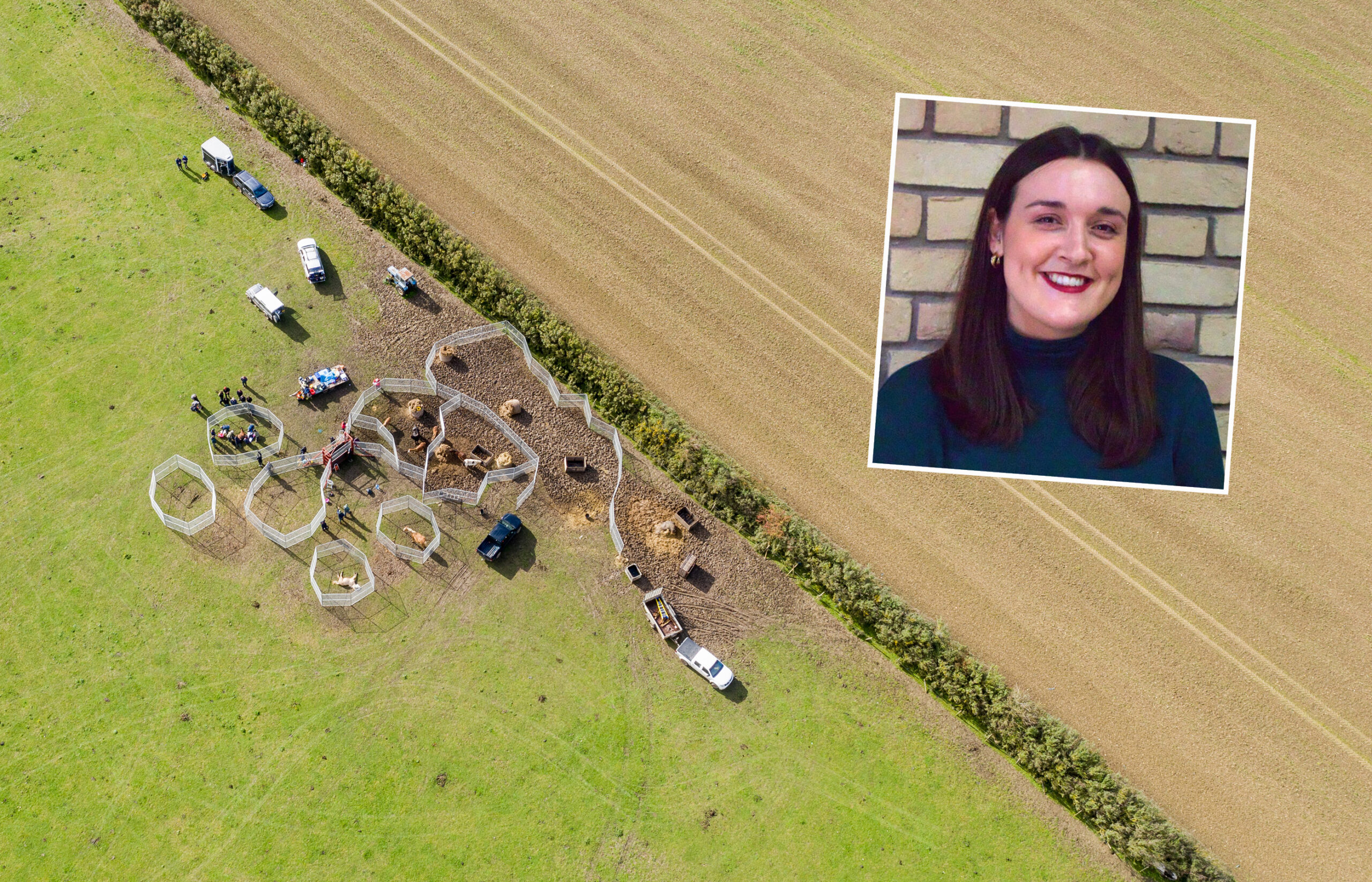
A day with a World Horse Welfare Field Officer
Our Fundraising Marketing Officer swaps a day behind her desk for one in the field.
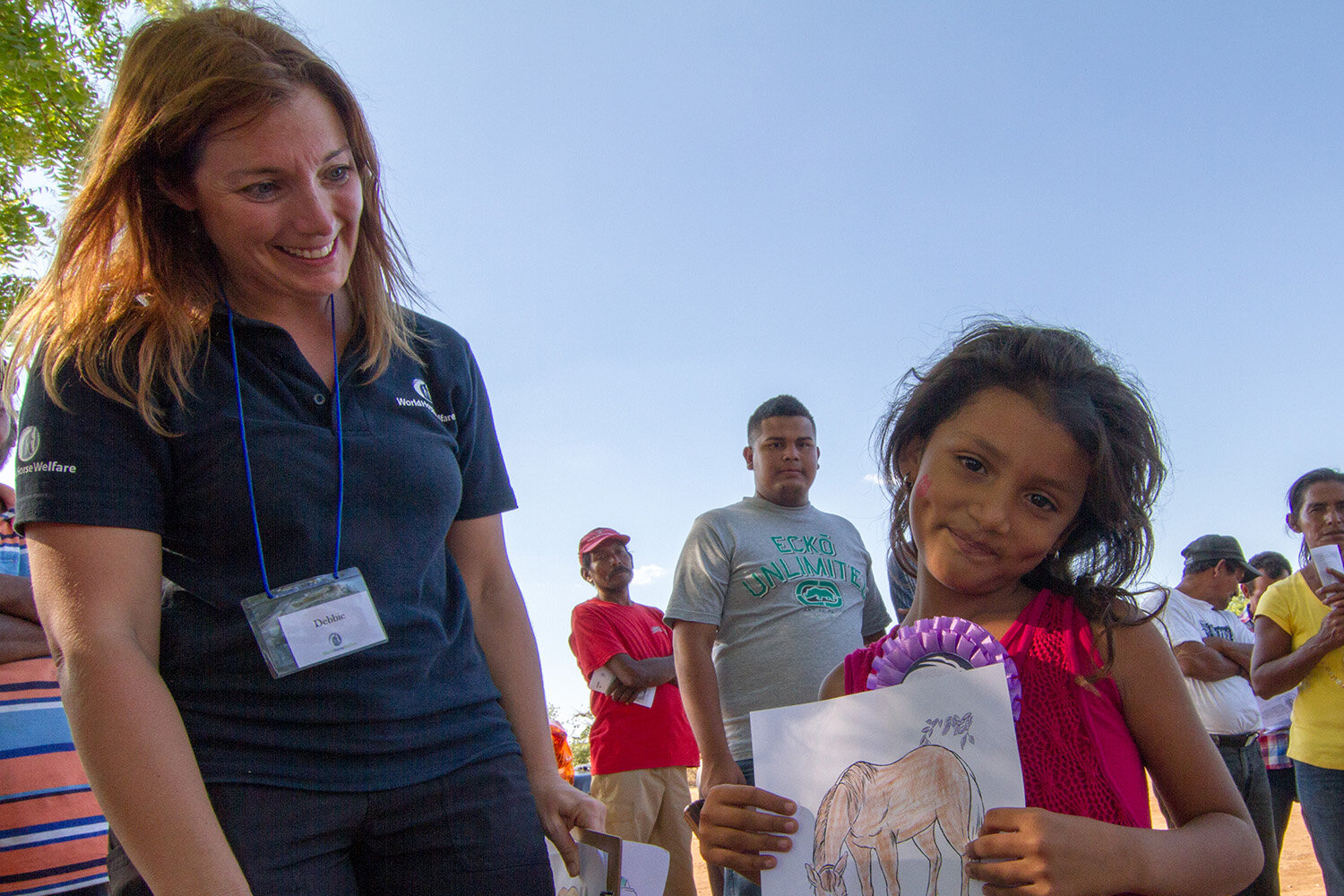
Celebrating our international colleagues
On International Women’s Day, we catch up with some of the inspirational women from our International team.
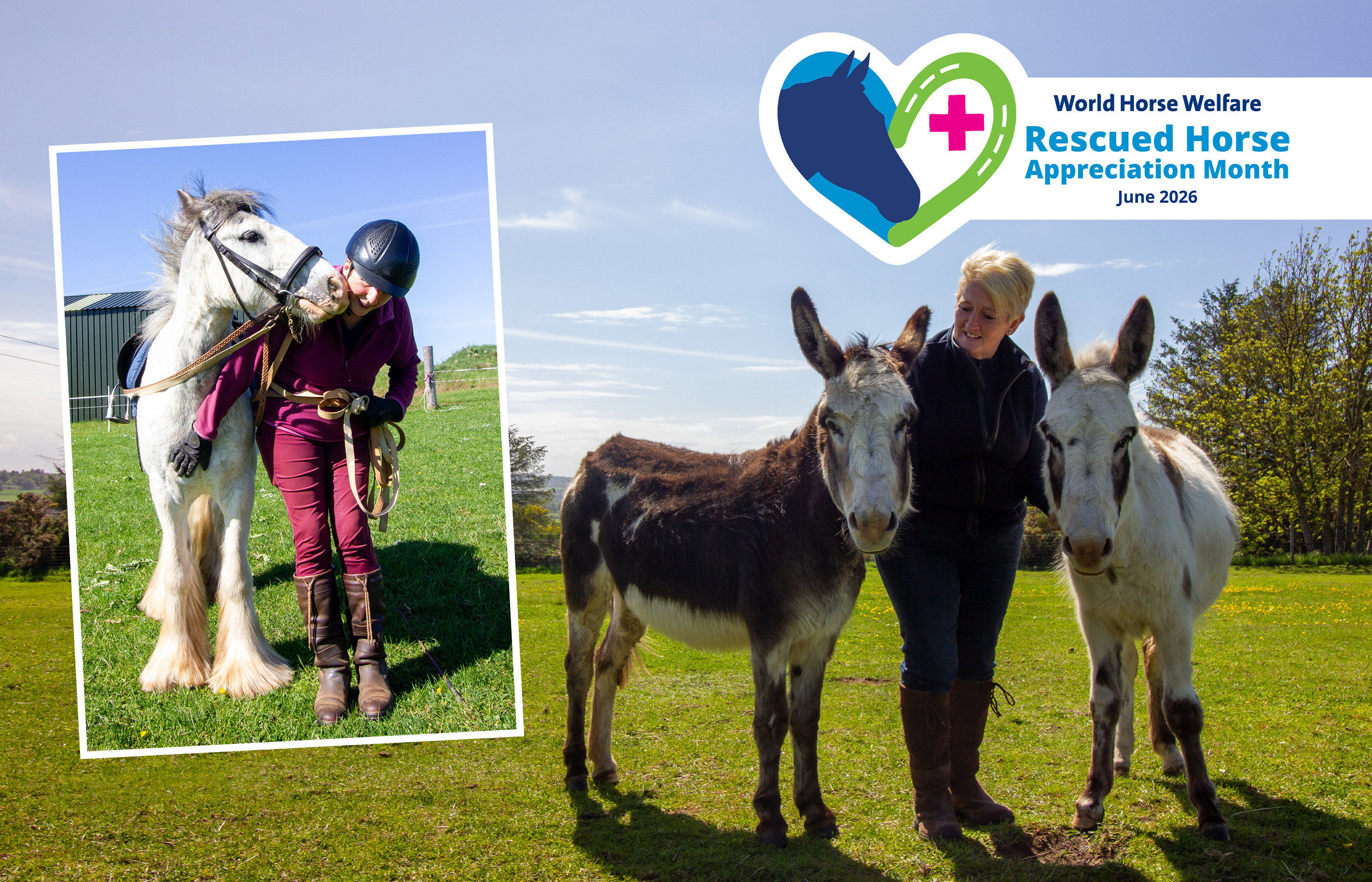
Rescued Horse Appreciation Month: Peanut, Popcorn and Pascal
Celebrating rescued horses and the life-changing impact of rehoming.
Enjoy reading stories like this?
Join over 65,000 other horse lovers and sign up for our email newsletter
Join over 65,000 other horse lovers and sign up for our email newsletter
Sign me up now
