
Helping thousands of donkeys to be seen
Fluorescent bands in Zimbabwe help make sure donkeys are no longer invisible on the roads.
Posted on 15/04/2026
Share


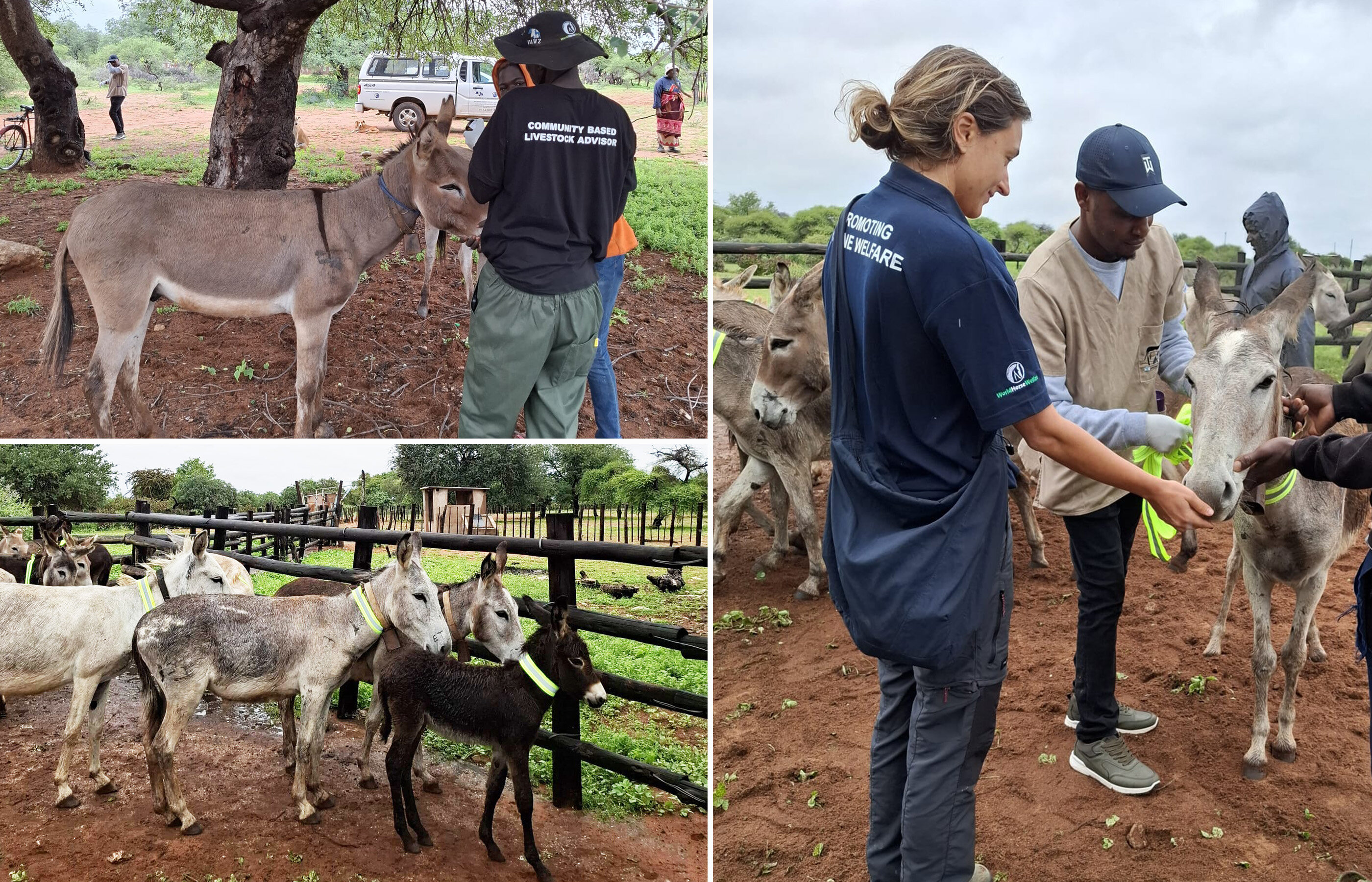
Across remote communities in Zimbabwe, we are working to transform the lives of thousands of donkeys.
In the border town of Beitbridge, nestled between Zimbabwe and South Africa, we have been partnering with Veterinarians for Animal Welfare Zimbabwe (VAWZ) since 2018. Here, hard-working donkeys help to transport essentials like water, firewood, goods and people, while also playing a vital role in farm work. Their contribution is crucial and often lifesaving as they help to support the livelihoods of families.
Donkeys in Beitbridge face many challenges. From poor welfare conditions due to poor nutrition, management and handling practices, to abandonment and the risk of road traffic accidents.
Increasing visibility
Far too often these hard-working animals face danger and injury on the roads at night when it is dark and visibility is poor. As the donkeys roam free in herds, rather than living in fields protected by fencing, they are particularly vulnerable to being struck by vehicles.
In response to high numbers of road traffic accidents involving donkeys in Beitbridge, our project came up with the ‘bright’ idea of using fluorescent bands around the donkey’s necks as a safety measure. Thanks to this simple, low-cost and effective initiative, the donkeys are now more visible. Nighttime road traffic accidents have been reduced and fewer donkeys are being injured, or worse, losing their lives.

With many of these remote communities having very limited medical supplies, when an animal is injured, every second counts. So, this preventative measure is even more welcome.
Our International Programme Officer, Faye Al-Nakeeb, recently visited our project in Beitbridge. She said: “Last year, more than 10,000 donkeys were given fluorescent bands in the Beitbridge area of Zimbabwe through our project with VAWZ. This straightforward measure has improved visibility on the roads at night, and communities have reported a reduction in road accidents involving donkeys.
“The initiative represents a practical step toward improving the safety and welfare of these stoic animals, which play an important role in supporting their owners’ livelihoods. It is one of several ways the project aims to support both the animals and the communities that depend on them.”
Thanks to our supporters, the fluorescent bands now sit alongside other initiatives that our partnership in Zimbabwe is building, including the work of Community-Based Livestock Advisors and ongoing welfare support, while also raising awareness among communities about donkey welfare needs.
To help donkeys stay safe and to transform even more lives, donate today.
Share
Topics
Related News
The crucial role of working animals in Sustainable Development
People and organisations from around the world came together last Friday (25th February 2022) at a virtual event to demonstrate the crucial role of working animals at the Africa Regional Forum on Sustainable Development.
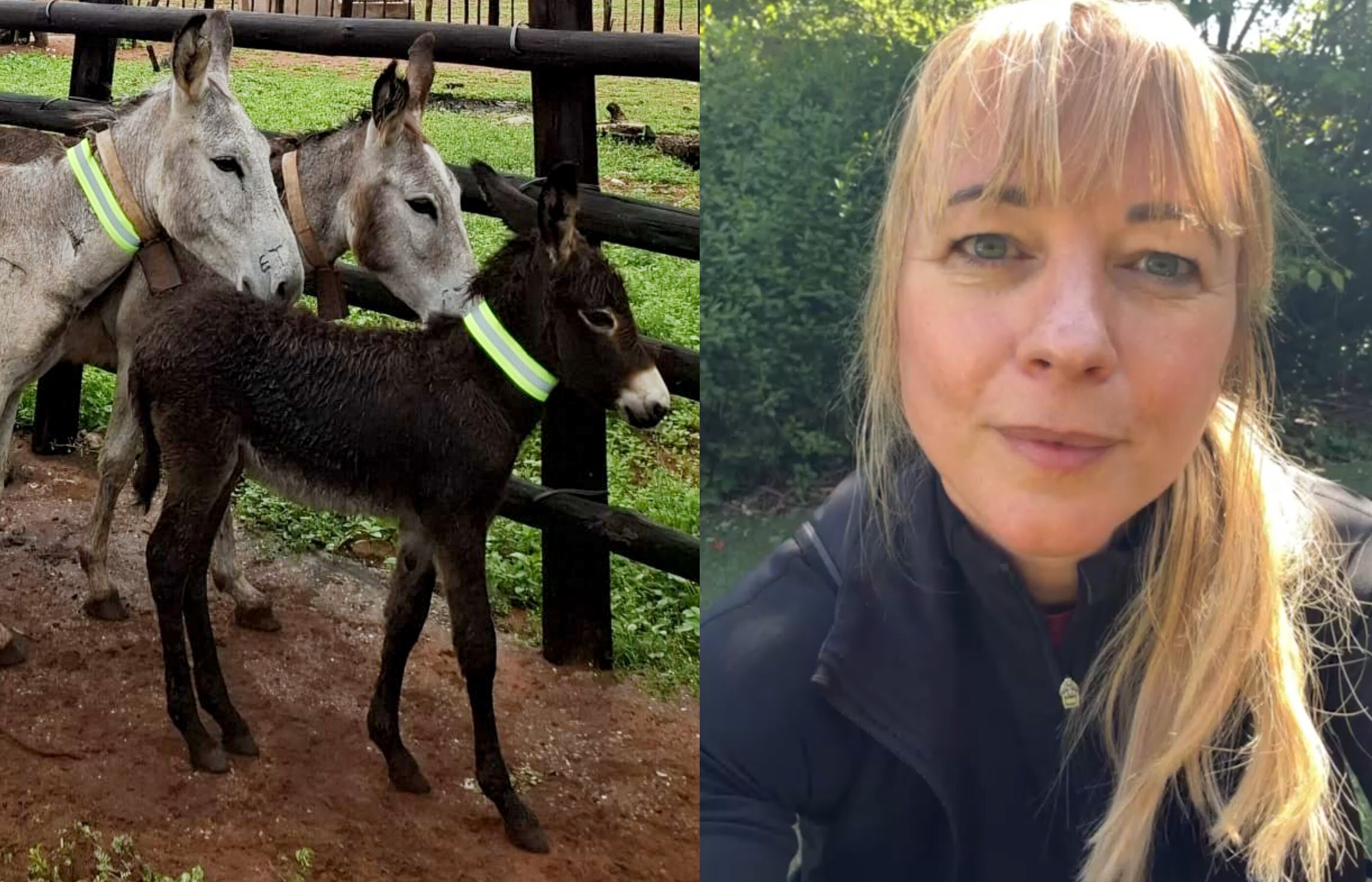
Sara Cox ensures brighter future for hundreds of donkeys in Zimbabwe
Our Patron Sara Cox has helped working donkeys in Zimbabwe after telling her listeners about our fluorescent bands appeal.
Recommended Blog Posts
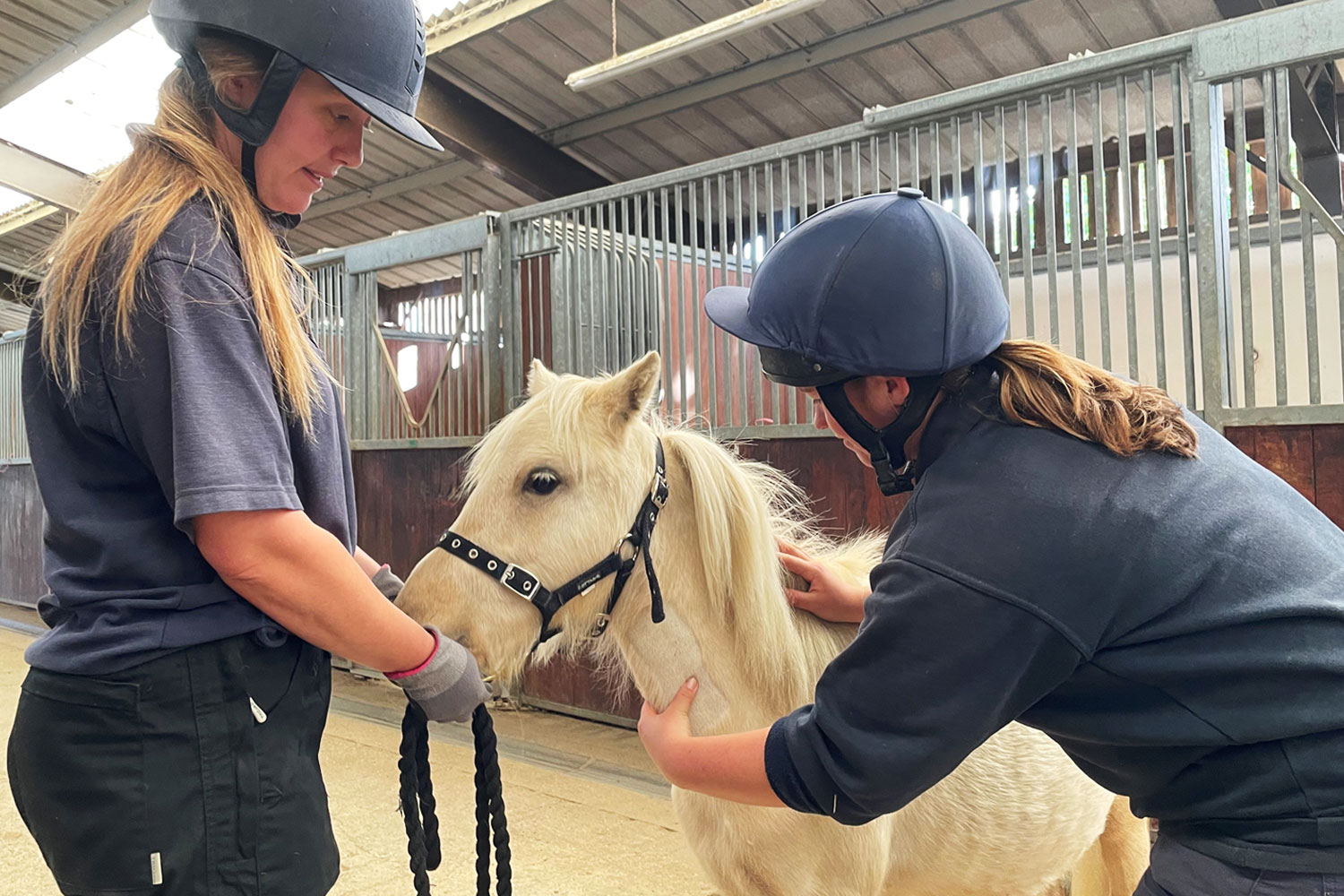
How to help a needle-shy horse overcome their fear
Grooms Amy and Emily explain how they work with horses who are nervous with needles before a visit from the vet.

Social licence – how the perception of horse riding has changed
With a recent survey revealing some startling findings about perceptions of the welfare of horses in sport, the horse world has plenty to discuss.

“When I grow up, I want to work here”
This is something we hear from our younger visitors all the time and it was a dream that came true for groom Lorraine.
Enjoy reading stories like this?
Join over 65,000 other horse lovers and sign up for our email newsletter
Join over 65,000 other horse lovers and sign up for our email newsletter
Sign me up now
