
World Horse Welfare statement in response to the UK Government’s new Animal Welfare Strategy
Our Chief Executive, Roly Owers, responds to the publication of the new strategy.
Posted on 23/12/2025
Share


In response to the publication of the UK Government’s new Animal Welfare Strategy, our Chief Executive, Roly Owers, says:
“We welcome the Government’s animal welfare strategy, and in particular their commitment to explore further measures to prevent live export of horses from Britain to slaughter. It is still far too easy for horses to be exported under the guise of riding or breeding but go straight to a meat market, so it’s urgent and vital that we get the right measures in place to put a stop to this.”
As examples, Roly highlights the cases of the two consignments of horses that came into our care over the last two years – and became known as the Dover 26 and the Trafficked 20 – after the lorries they were on were stopped at Dover due to the diligence of Animal Health and Plant Agency staff. They were the fortunate few, with many of these smuggled horses ending up in slaughterhouses in Europe after enduring unnecessarily long journeys. The charity was founded almost 100 years ago with the aim of stopping live export of horses from Great Britain to slaughter.
Roly continues, “We also welcome other aspects of the Government’s strategy, such as the recognition of the impact of transport on the welfare of animals and the importance of welfare-friendly journey times, along with the impact of temperatures and space allowances. We applaud the Government’s commitment to working with both the horse sector and enforcement bodies to develop appropriate measures.
“We are pleased to see the Government commit to working with local authorities to improve enforcement of the current licensing regulations for premises where equines are kept, to ensure greater consistency and effectiveness. We are hopeful that improvements in enforcement will be made before the outcome of the proposed consultation on licensing of rescue and rehoming centres and look forward to working with the Government, via the National Equine Welfare Council and British Horse Council, to ensure that any new licensing requirements are both proportionate and enforceable.
“However, there was one omission in the strategy. Given its acknowledgment of the importance of being evidence-led, we urge the Government to update the Code of Practice for the keeping of horses, ponies, donkeys and their hybrids (mules and hinnies) in England, since the current Code was issued in 2013 and last updated in 2017. Updating the code, as is currently being done in Scotland, would enable the welfare of all equines in England to be better protected, supporting the Government’s stated aims of educating animal owners and carers on best practices and promoting innovation in animal care and welfare standards. We would be pleased to support Defra and work with the sector to achieve this.”
Share
Topics
Related News
World Horse Welfare Statement in response to the Grand National 2023
“Yesterday was a very sad day,” said Roly Owers, Chief Executive of World Horse Welfare, responding to the events at the 3-day Grand National meet.
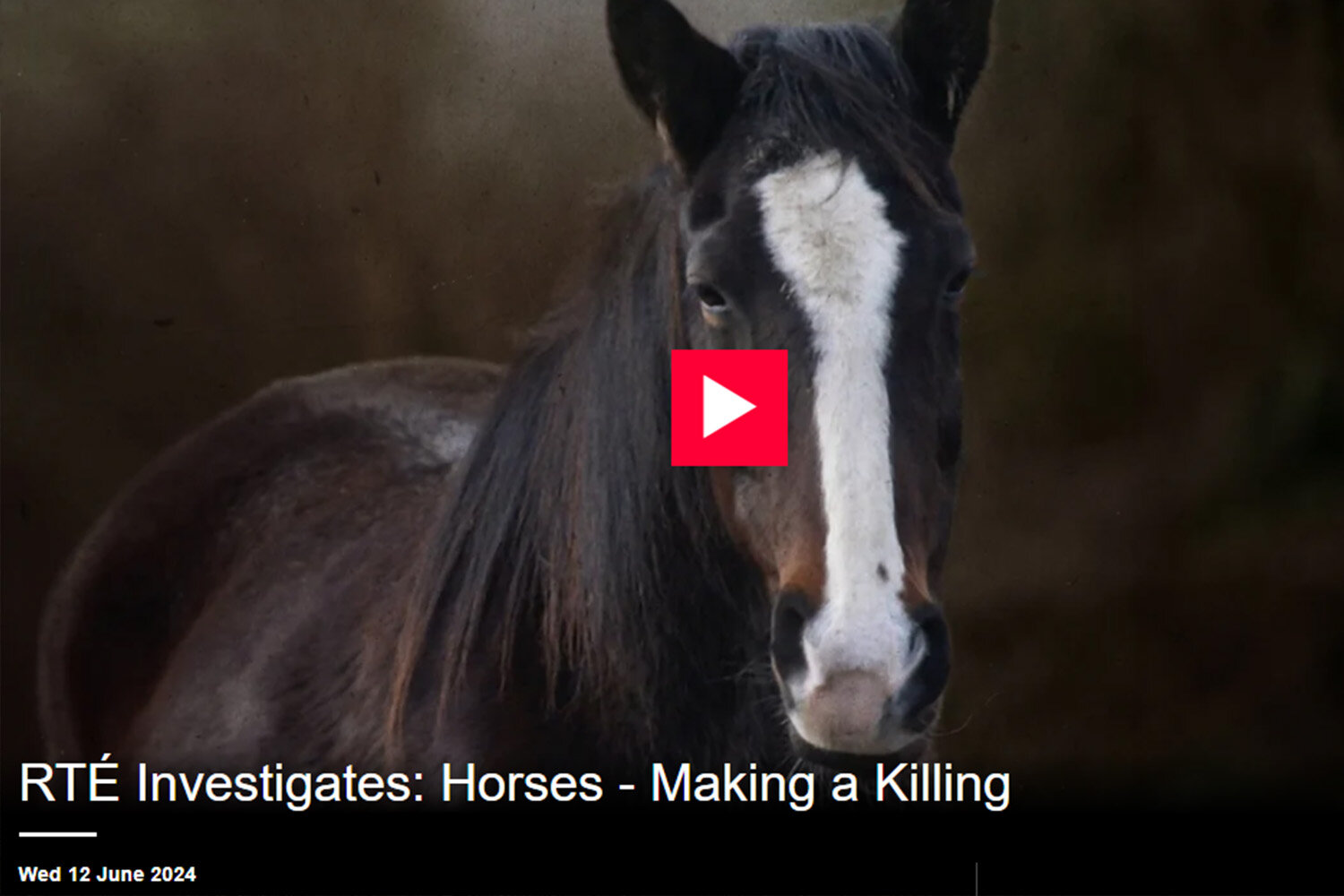
Outrageous slaughterhouse cruelty revealed in RTÉ documentary
A documentary by Irish broadcaster RTÉ, shown yesterday evening, has left our charity outraged at the shocking acts of cruelty captured within an Irish slaughterhouse lairage.
Recommended Blog Posts
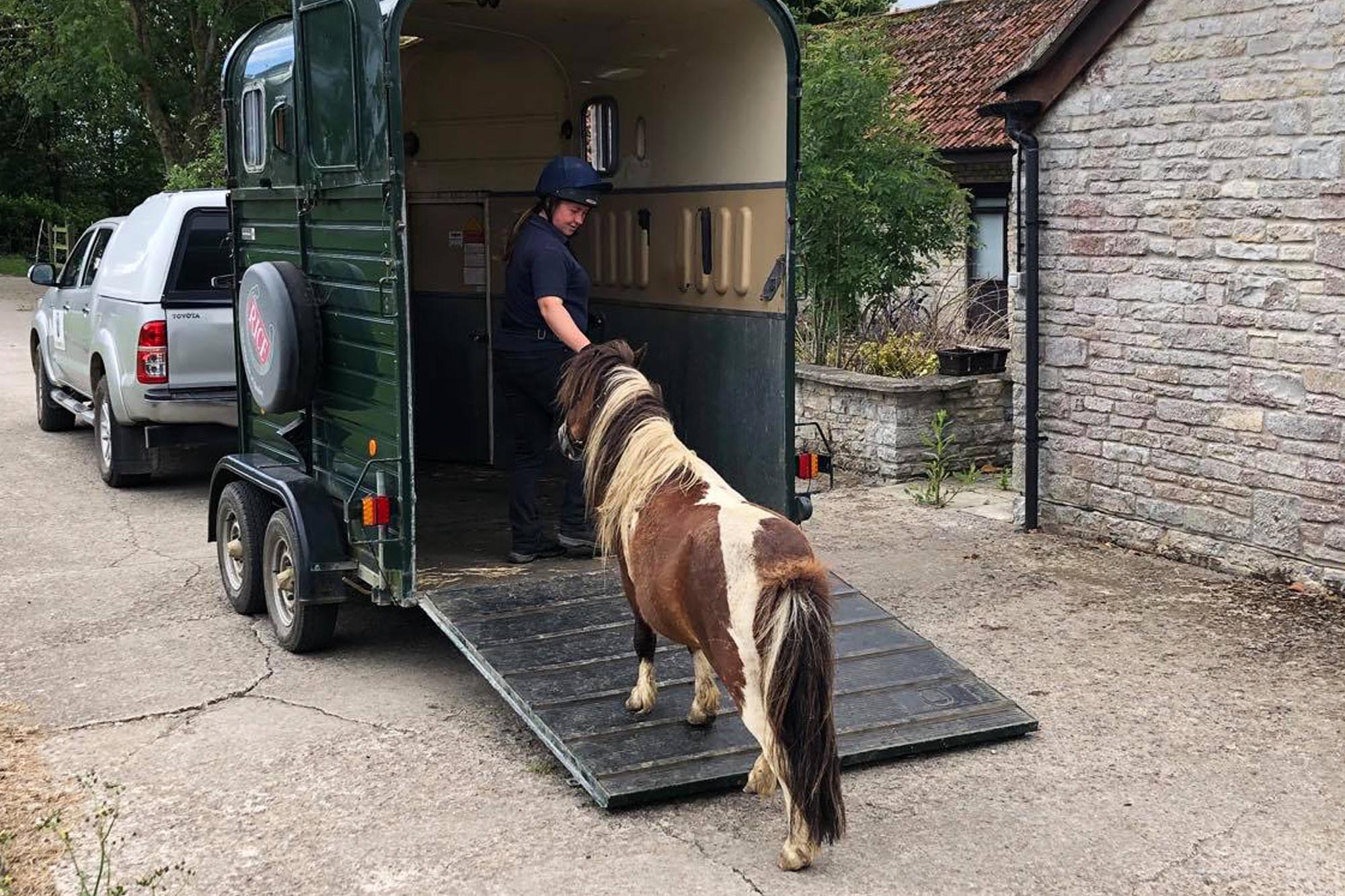
Preparation and practice: key aspects to loading and travelling your horse safely
Research and Education Officer Alana Chapman shares expert advice on how to give your horse the best chance of loading and travelling safely and calmly.
Behind the scenes: the first few months as a World Horse Field Officer
Find out what really goes on behind the scenes as a World Horse Welfare Field Officer.
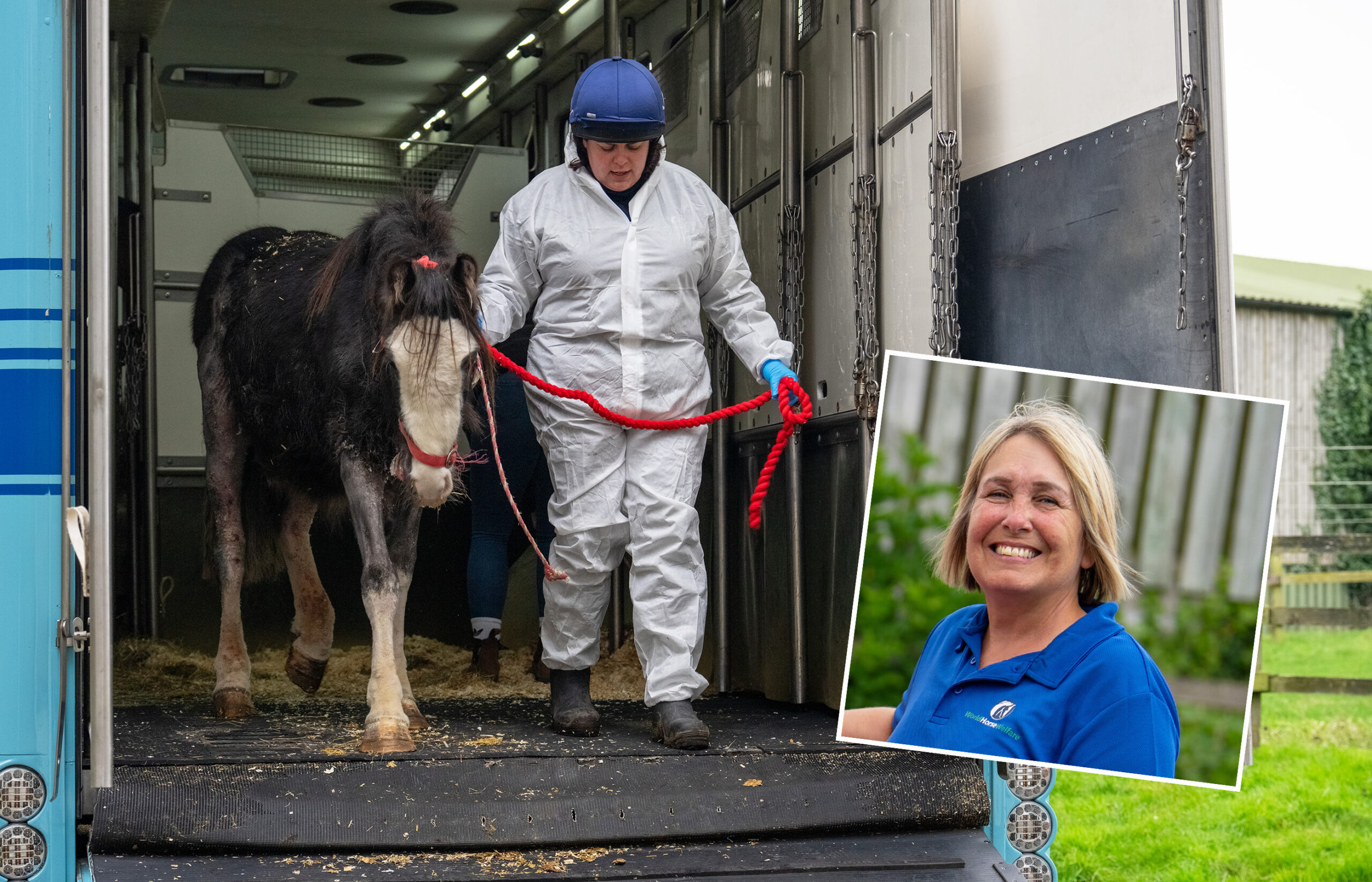
The Trafficked 20 – life in our care
Our Hall Farm Manager fills us in on how the horses rescued from illegal smuggling have settled into our care and continue to recover.
Enjoy reading stories like this?
Join over 65,000 other horse lovers and sign up for our email newsletter
Join over 65,000 other horse lovers and sign up for our email newsletter
Sign me up now
