
World Horse Welfare promotes laminitis awareness
Watch a series of lectures on laminitis by some of the world’s leading authorities on the condition.
Posted on 09/03/2011
Share


Shown in five films, the lectures provide invaluable expert advice about the signs, treatment and prevention of laminitis.
The lectures were recorded during a Laminitis Awareness tour of British University Veterinary colleges earlier this year.
Featured specialists include Professor Derek Knottenbelt, Dr Cathy McGowan and Alex Dugdale from the University of Liverpool, David Catlow from Oakhill Veterinary Centre and Samantha Lewis from World Horse Welfare.
They discuss “The Horse’s Foot and How it Goes Wrong” (Prof Knottenbelt,) “Managing your Laminitic and Minimising his Pain” (Dr McGowan,) “Recognising the Early Signs of Laminitis” (David Catlow,) “Using Ultrasound to show the Difference Between Fat and Muscle” (Alex Dugdale,) and “How to Fat Score a Horse” (Samantha Lewis.)
The lectures were organised by Dr Teresa Hollands, Senior Nutritionist at Dodson and Horrell. She said: “Although laminitis is perceived to be worse in spring and autumn it is actually a condition which occurs throughout the year. These films give owners the ideal opportunity to remind themselves of what to look out for, and how to minimise the chances of their horse contracting laminitis.”
The films can be watched below or at www.youtube.com/horsecharity.
“The Horse’s Foot and How it Goes Wrong” Prof Knottenbelt
“Managing your Laminitic and Minimising his Pain” Dr McGowan
“Recognising the Early Signs of Laminitis” David Catlow
“Using Ultrasound to show the Difference Between Fat and Muscle” Alex Dugdale
“How to Fat Score a Horse” Samantha Lewis
Please visit our advice pages for further information on laminitis.
Share
Topics
Related News
Recommended Blog Posts
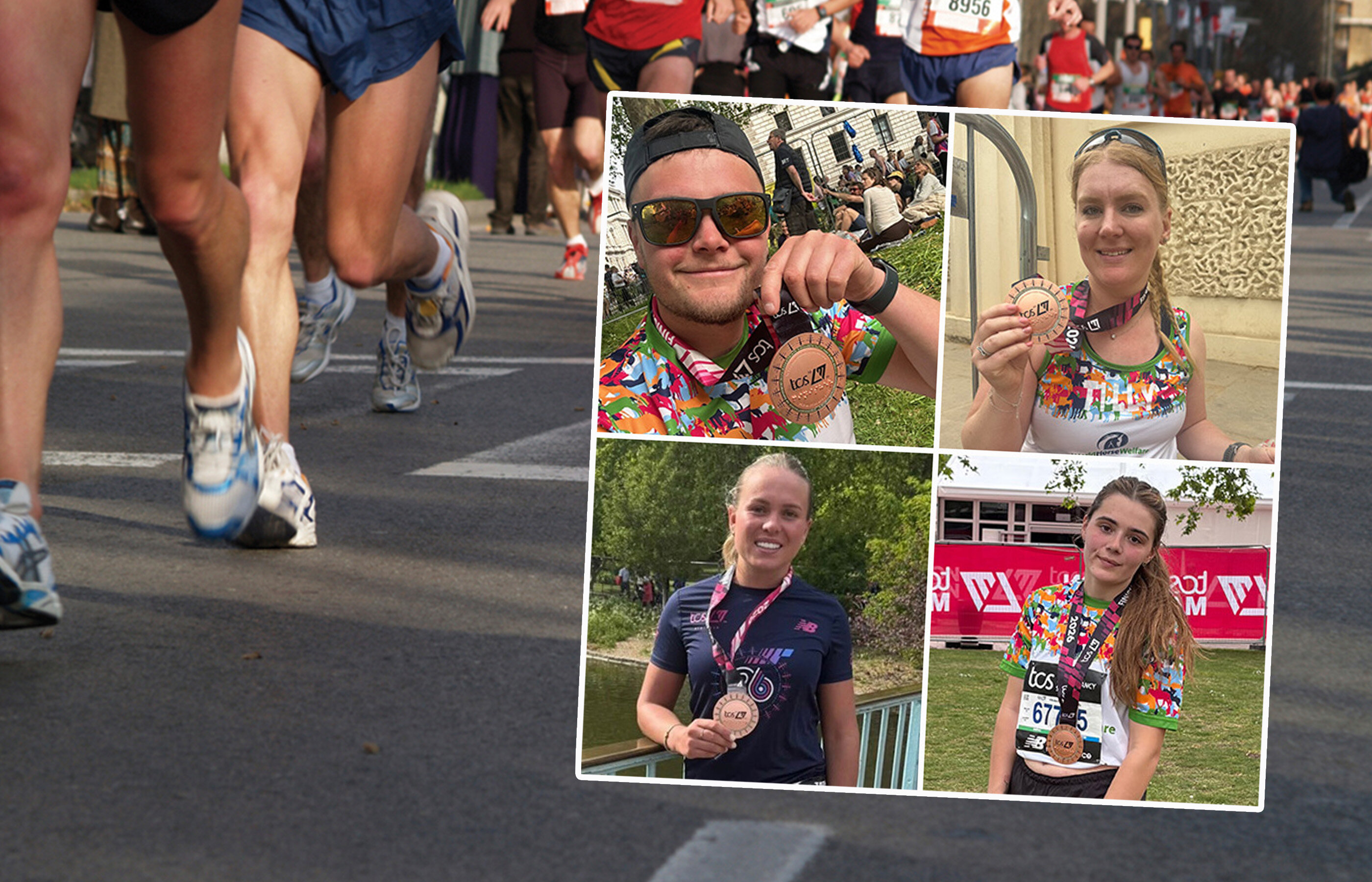
Running for more than miles 🏃♂️
We shine a spotlight on World Horse Welfare’s super London Marathon runners as they raise thousands for horses in need.
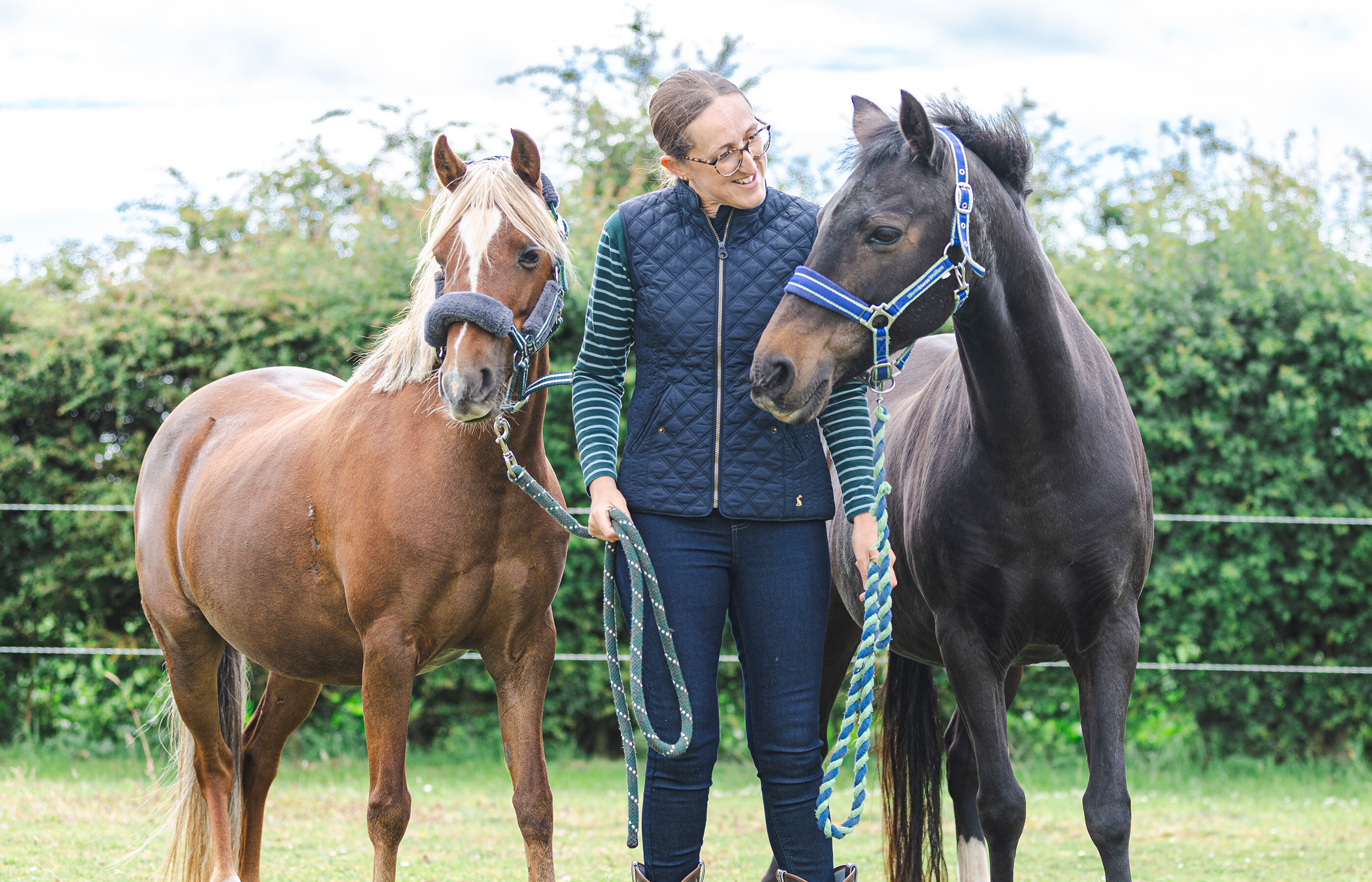
“The feeling of knowing that you’re making a difference is wonderful”
We meet superstar fundraiser Kelly Jay, who has raised more than £33,000 for our charity.
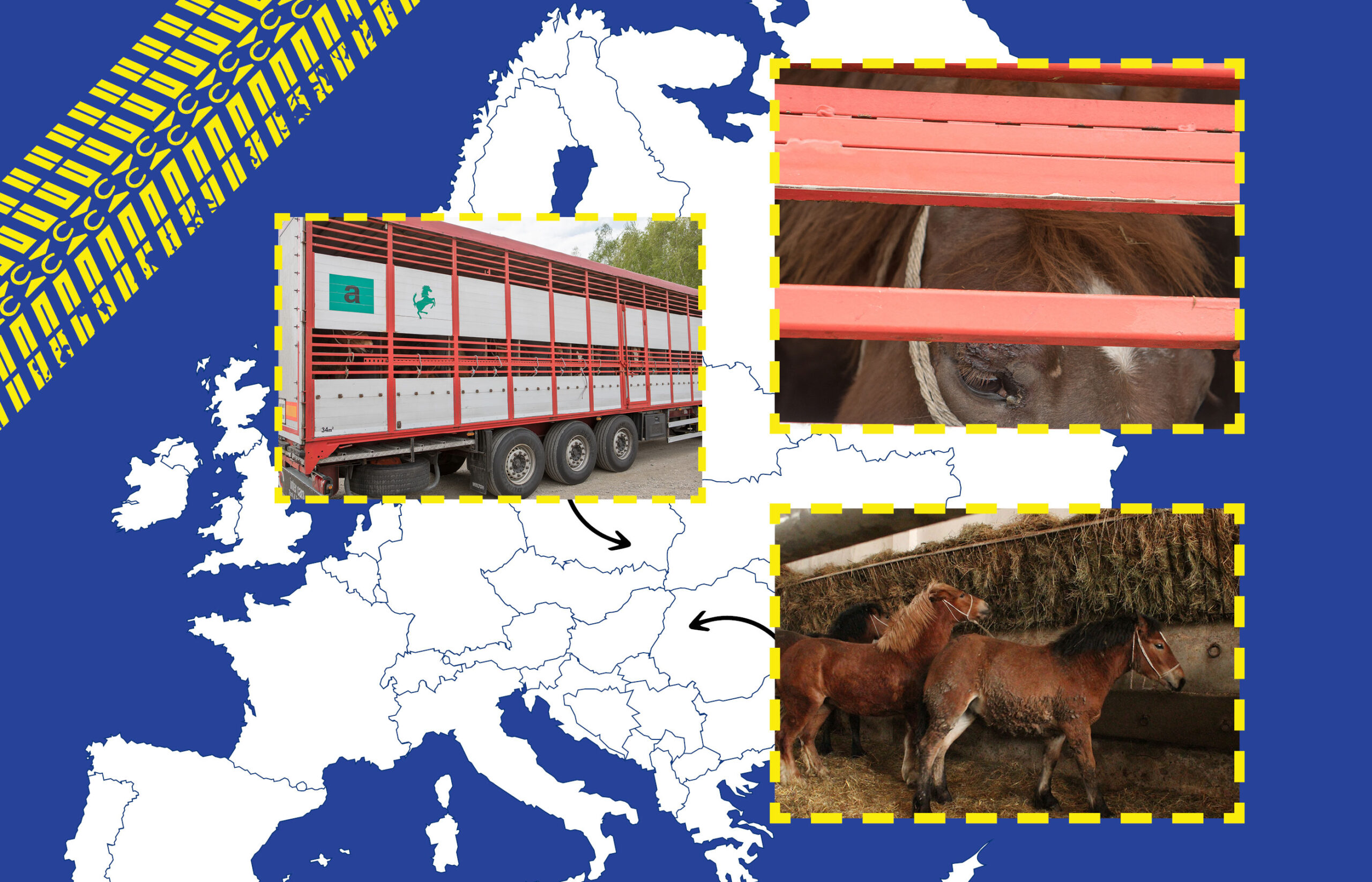
A (nearly) century long commitment
Ending the long-distance transport of horses for slaughter.
Enjoy reading stories like this?
Join over 65,000 other horse lovers and sign up for our email newsletter

Join over 65,000 other horse lovers and sign up for our email newsletter
Sign me up now
