
Worried about the welfare of a horse you have seen on social media?
Find out why the mass reporting of welfare concerns can hold up our charity’s ability to respond.
Posted on 10/02/2026
Share


Here at World Horse Welfare, we know that our supporters are as passionate about horses as we are. Together, we put the welfare of all horses at the front and centre of everything we do.
Our UK-based team fields around 3,200 welfare reports every year, from collapsed and tangled horses to those without food or water, those injured, underweight or lame to every concern in between.
When we receive urgent reports of horses at risk, we aim to reach them through our network of Field Officers who visit over 1,700 welfare concerns every year and make more than 1,000 additional follow-up visits.
Recently, we’ve seen reports to our welfare line rise dramatically, and one of the reasons for this is due to multiple reports being made about the same situation that people have seen flagged on social media.
We caught up with our Director of UK, Malcolm Morley to find out how this impacts our team and what people can do to help if they become concerned for the welfare of a horse they have seen online.
“We know that everyone who contacts World Horse Welfare with concerns about a horse does so because they care and want to do the right thing. We value that enormously and without people speaking up, many horses would never come to our attention.
“However, there is one thing well-meaning people do that can, unintentionally, significantly hinder our ability to respond. It’s when a concern is shared on social media and people encourage lots of others to report it as well. We’re increasingly seeing a photo or short clip posted with a “please report this” caption, and then we receive dozens of reports about the same situation in a short space of time.
“I completely understand why people do it.
“From the outside it feels like everyone is rallying round horses that need help. But from the inside, it can jam the system at the very moment it needs to work quickly.
How we process welfare concerns reported to us
“Every report we receive has to be read, logged and assessed by our trained, knowledgeable team. We don’t just “count” reports, we look at each one for extra information, check what we already know and work out the best next steps.
“When many reports relate to the same horse or group of horses, each one still has to be opened, reviewed and responded to individually. That creates a backlog and, importantly, it pulls time away from other reports that are also waiting to be assessed.
“Our welfare reporting form asks whether you’ve seen the horse in person. Even so, we still get multiple reports from people who have all seen the same image or clip online. Social media has changed how we experience the world and I recognise how a photo can feel immediate and urgent, even if none of us has been there to see what’s happening now.
So, what helps most?
“If you’re worried about a horse you have seen in person yourself, please do report it once through the appropriate channel, with as much clear, factual information as you can. Exact locations – What3Words can be brilliant – and your own photos of what you’re concerned about are really helpful. After that, the best thing you can do is trust the process, rather than encouraging lots of duplicate reports or sharing distressing images more widely.
“If you see a concern online that has already been reported, or calls for mass reporting, please help by gently explaining that more reports don’t lead to faster action or mean that a different outcome is possible.
“Speaking up for horses at risk matters. Doing it thoughtfully helps us act quickly and effectively when it really counts.”
We are so thankful to everyone who has concerns enough for the welfare of a horse, pony, donkey or mule and reports them to us.
Each year, we’re here for thousands of horses who need our help. With your support we always will be.
Share
Topics
Related Blog Posts
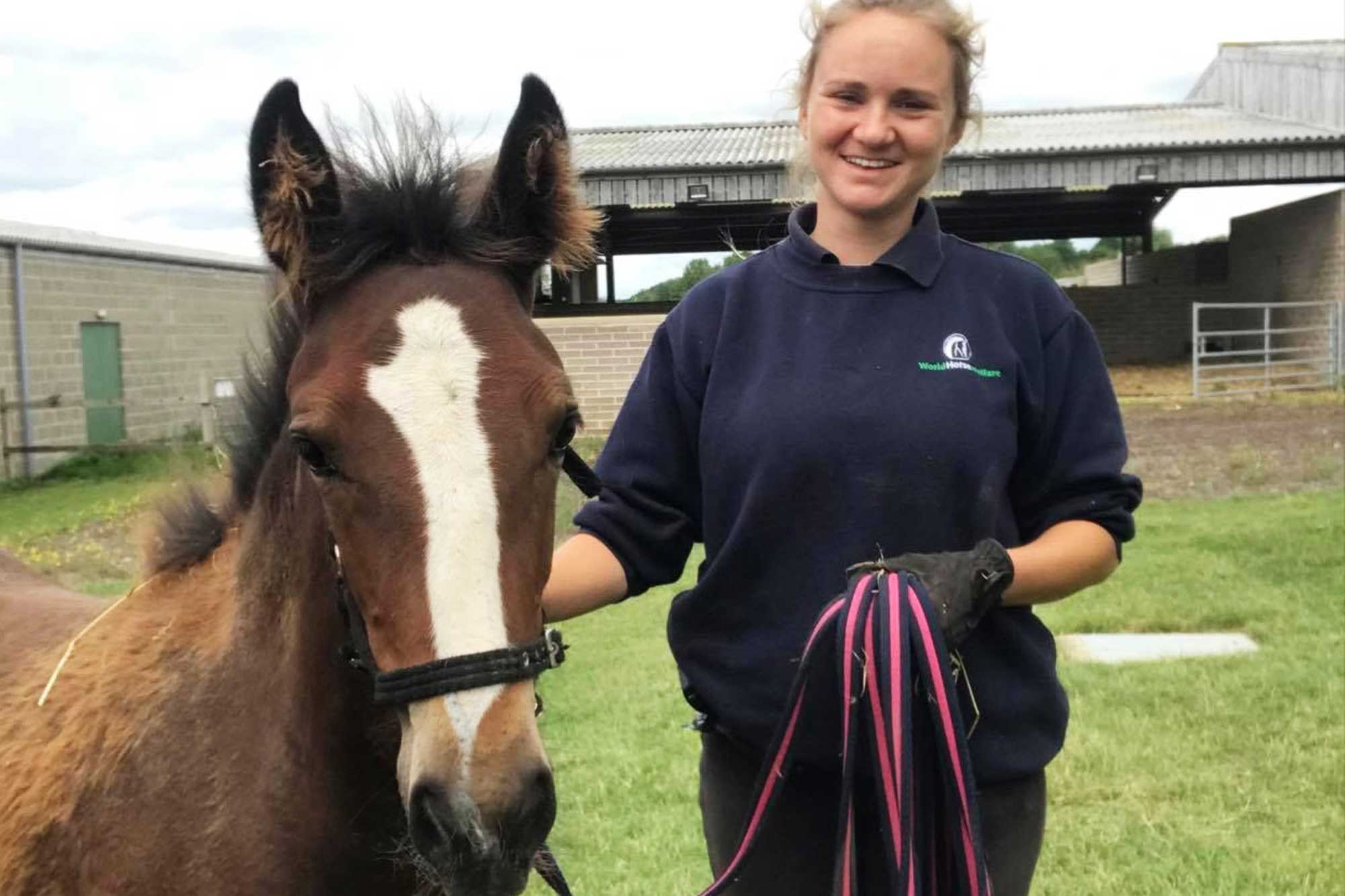
Buena’s story – how our foals are cared for from birth to rehoming
Senior Groom Steph introduces lovely filly Buena and explains how the team care for foals from birth right through to finding them a loving home for youngster handling.
Behind the scenes: the first few months as a World Horse Field Officer
Find out what really goes on behind the scenes as a World Horse Welfare Field Officer.
Recommended News Articles

Revealing our ambitious environmental commitments
We are proud to announce the launch of our Environmental Sustainability Strategy as first steps towards becoming net zero
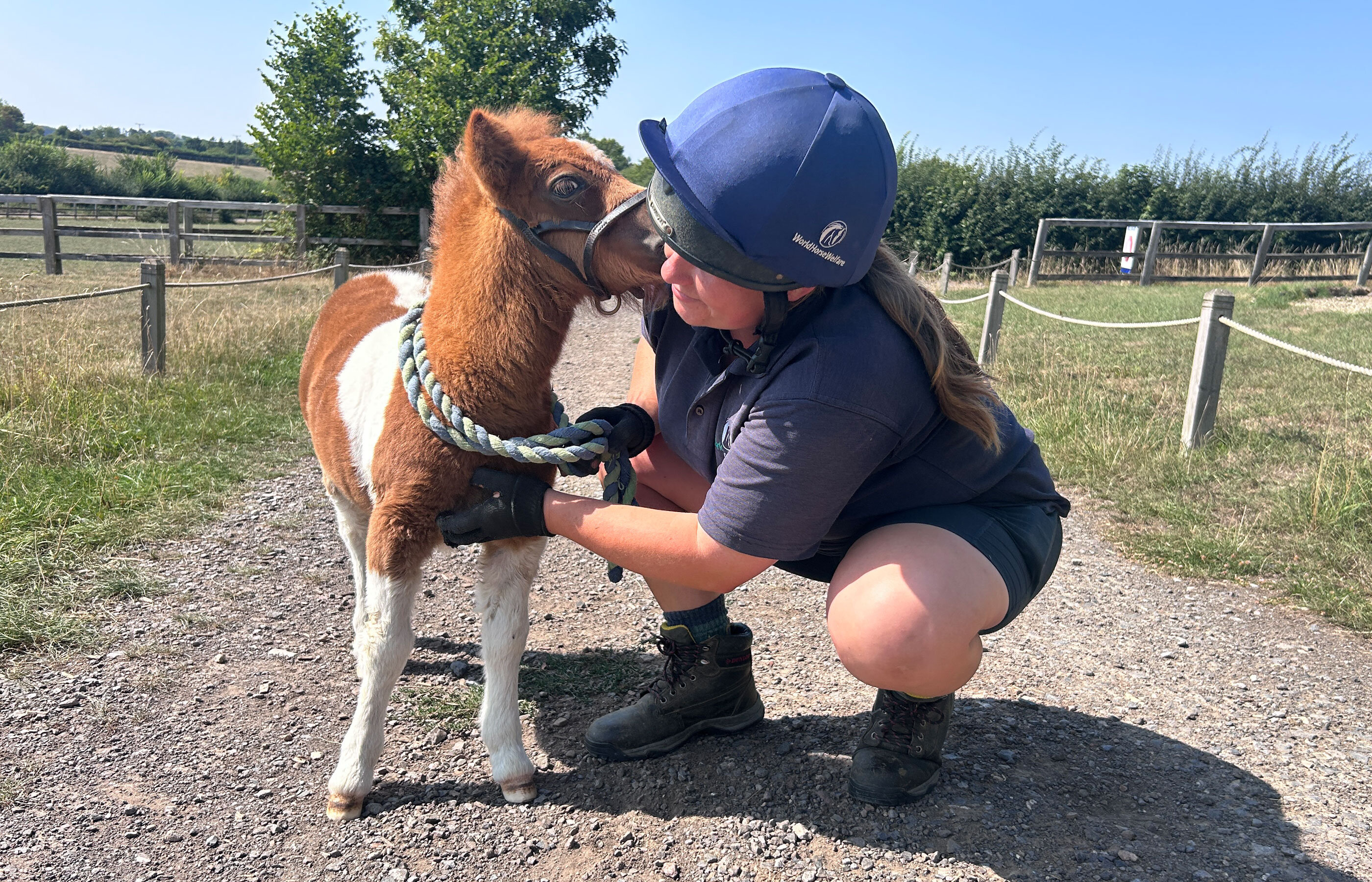
Tiny Pam highlights potentially uncertain future of foals
Pam's future is safe, but we're urging would-be breeders to consider whether they can guarantee a home-bred foal a secure future for life.
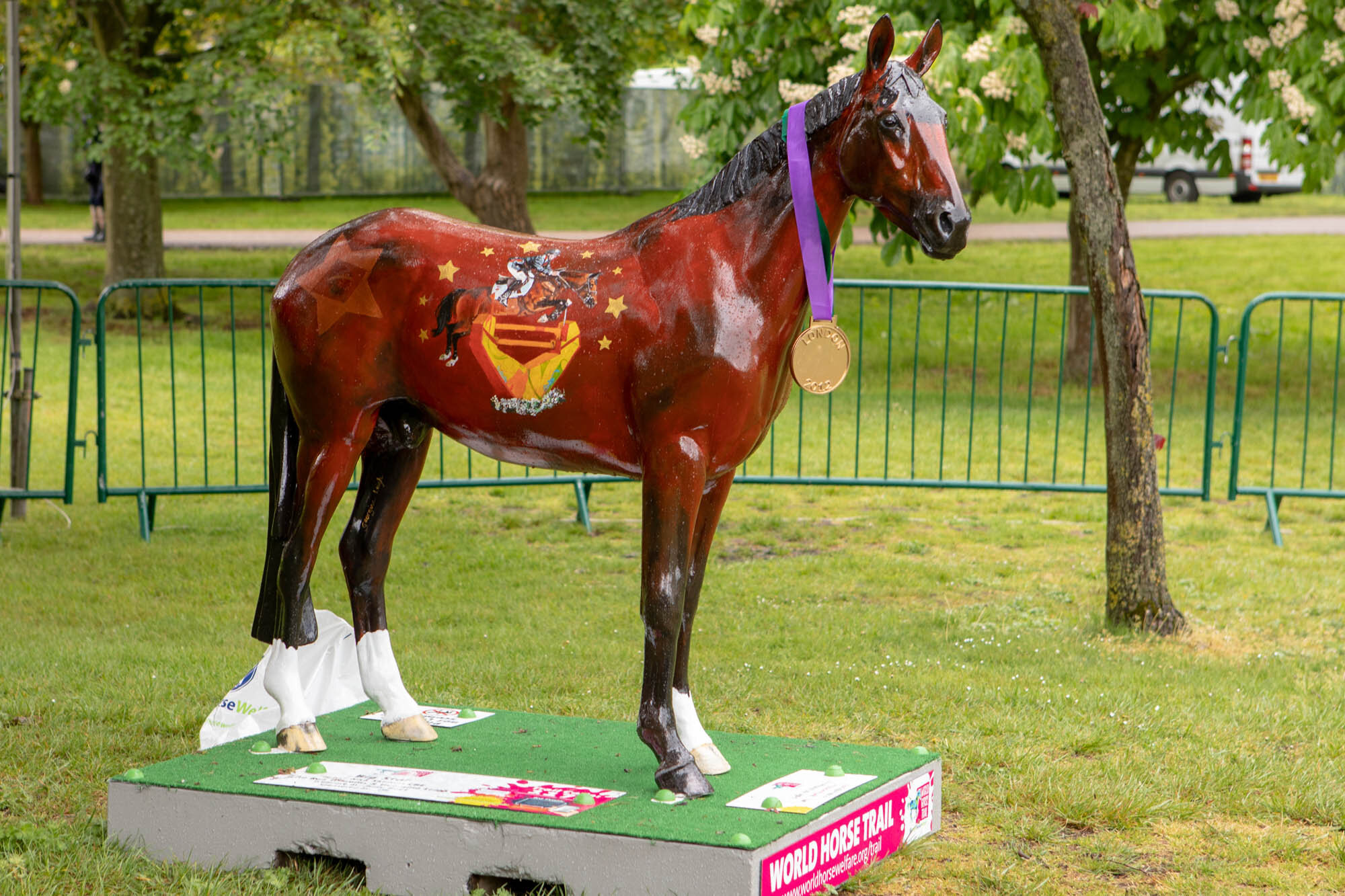
World Horse Trail sculpture trail launched
Charity's World Horse Trail is launched, featuring 40 unique horse sculptures to be showcased around the country.
Enjoy reading stories like this?
Join over 65,000 other horse lovers and sign up for our email newsletter
Join over 65,000 other horse lovers and sign up for our email newsletter
Sign me up now
