
Why the right care at the right time matters for vulnerable horses
How our triage approach helps reduce unnecessary stress and supports better welfare outcomes for vulnerable horses.
Posted on 08/10/2026
Share


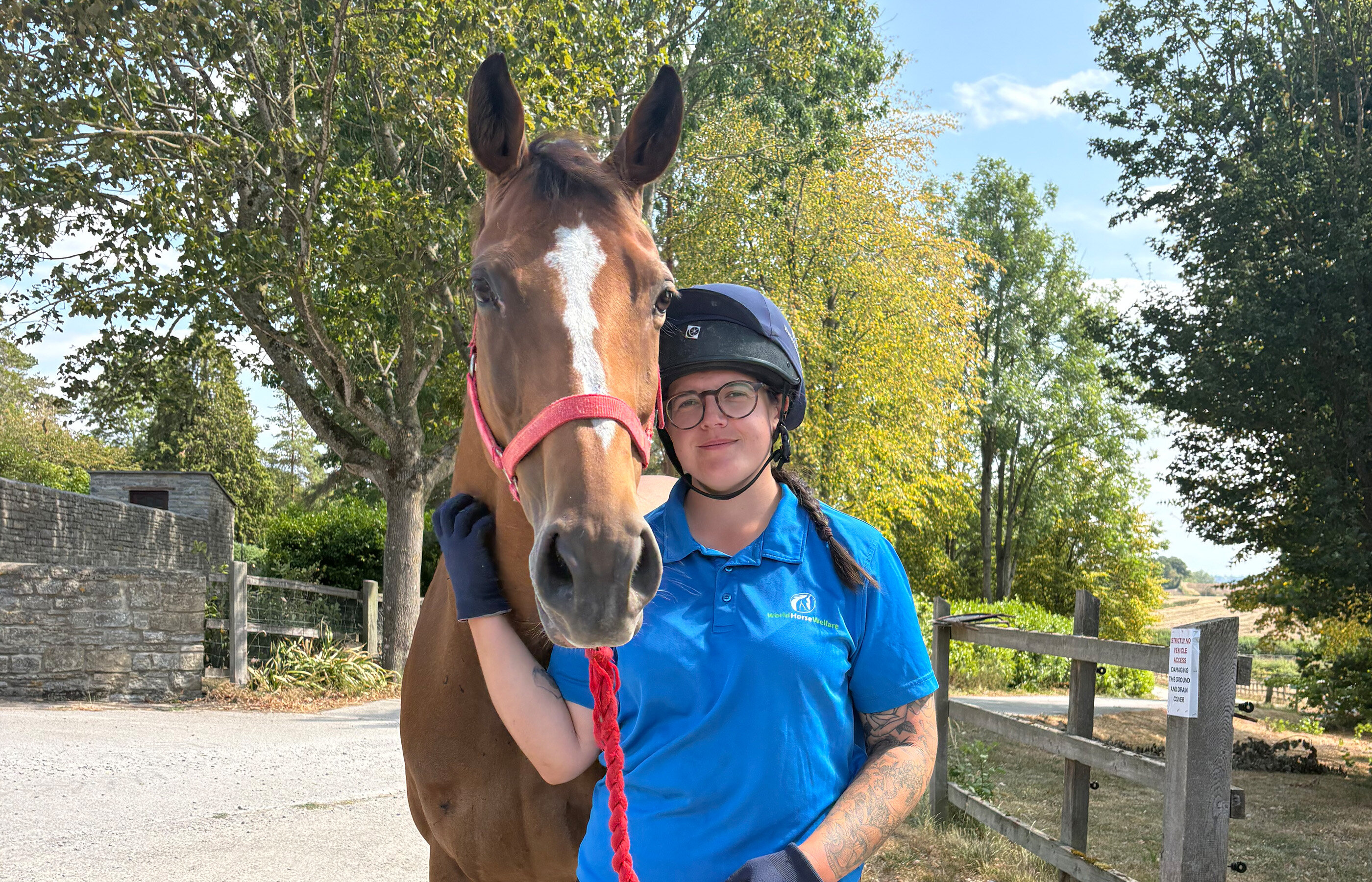
Every horse deserves the best possible chance of recovery, which is why we have developed a triage approach to support the work of our Field Officers.
Traditionally, when a horse entered our care, it often meant arranging transport to one of our four rescue and rehoming centres before a full assessment could take place. However, long journeys can be stressful, particularly for horses who are already unwell. Our new triage process enables horses to receive a veterinary assessment and treatment close to where they are found, helping us build a clearer picture of their individual needs so we can make informed decisions about their future while avoiding unnecessary stress.
Folly’s story shows how this approach can improve welfare outcomes for horses when they need help most. We catch up with Deputy Chief Field Officer, Jon Phipps, to find out more about how triage is helping horses receive the right care at the right time.
A Field Officer-led approach
Triage is led by our experienced Field Officers, who are often the first people to assess a horse’s situation. In many cases, they are dealing with limited information and little or no veterinary history.
Sometimes it simply isn’t possible to make a clear welfare assessment on site. A muddy field may make it impossible to trot a horse up safely. Practical, environmental or even social factors can prevent important examinations from taking place. In these situations, triage provides Field Officers with another option and a clear pathway for further assessment and decision-making.
If there is uncertainty about a horse’s condition, a horse who has been signed over to our care can be taken directly to a local veterinary practice for further assessment. This provides a full veterinary picture, allowing informed decisions about treatment and what opportunities may exist for that individual horse.

Creating better outcomes
Every horse’s circumstances are different, which is why having as much information as possible is so important. Triage helps us build a fuller picture of a horse’s physical health, behaviour and long-term needs, allowing us to make decisions that are truly in their best interests.
It allows veterinary professionals to assess a horse thoroughly, often for the first time, and gives us valuable insight into temperament and handling. This helps us identify the most appropriate next steps, whether that’s immediate treatment, transfer to one of our centres, or in some cases, making the difficult decision that euthanasia is the kindest option.
Triage also helps us identify the most appropriate future for each horse, whether that is rehabilitation and rehoming through one of our four farms or support from another organisation better placed to meet their long-term needs.
Ultimately, this approach avoids unnecessary journeys for horses while allowing us to direct resources where they can make the greatest difference.
Folly’s story: why triage matters
Folly’s story shows why getting the right care, in the right place, at the right time matters.
The Thoroughbred cross came to our attention as her owner was no longer able to provide the care she needed, so Folly was signed over to our charity.
Folly had sustained a significant wound to her hindquarters, and it was immediately clear that further assessment and treatment would be needed, which is when our triage process was put into action.
Instead of making the long journey to our Glenda Spooner Farm Rescue and Rehoming Centre while injured and uncomfortable, Folly was taken to a local veterinary hospital for assessment.

Receiving the right help at the right time
In a controlled clinical setting, the veterinary team were able to safely sedate Folly, thoroughly assess her injury and provide the treatment she urgently needed. The wound was found to be even more serious than it first appeared. Over the following days, Folly received treatment, along with full veterinary and behavioural assessments.
The additional information gained through the assessment not only ensured Folly received the treatment she needed but also helped us plan the next stage of her recovery and ongoing care.
After receiving the appropriate treatment, becoming more comfortable, and having her wound protected, Folly travelled onwards to Glenda Spooner Farm to continue her recovery.
Without triage, we would have been attempting to manage a serious injury in the field before undertaking a lengthy journey. Instead, Folly received specialist treatment close to where she was living, minimising stress and discomfort.
We are delighted that, following a period of quarantine, Folly is now looking forward to spending time with her neighbour Ruby who she has been getting to know over the fence for a few weeks. Her wound has healed well and following an initial veterinary assessment, Folly is expected to be looking for a home as a non-ridden companion in the future.

Another tool for better welfare
Folly’s story shows how triage helps give horses the very best chance of a positive future and why this has become such an important part of our welfare work.
By ensuring Field Officers have access to veterinary expertise when needed, triage helps build the clearest possible picture of a horse’s health, welfare and future needs. It allows us to avoid unnecessary long-distance transport, gather vital information where little or no history exists, and make informed decisions that put each horse’s welfare first.
For horses like Folly, triage is more than a process. It’s a practical, compassionate approach that helps ensure every horse receives the care, support and future that is right for them.
Because sometimes the right care, in the right place, at the right time, can make all the difference.

We would like to say a huge thank you to the Elise Pilkington Trust for their support in making this work possible.
Share
Topics
Related Blog Posts
Buena’s story – how our foals are cared for from birth to rehoming
Senior Groom Steph introduces lovely filly Buena and explains how the team care for foals from birth right through to finding them a loving home for youngster handling.
Behind the scenes: the first few months as a World Horse Field Officer
Find out what really goes on behind the scenes as a World Horse Welfare Field Officer.
Recommended News Articles

World Horse Welfare welcomes FEI decision on NSAIDs
Leading equine charity welcomes FEI decision on non-steroidal anti-inflammatory drugs.
How four Peter Pan ponies are recovering after being rescued in critical condition
Our Hall Farm team explain how four little mares are recovering after being found extremely ill and dangerously underweight.

Ponies rescued from shocking conditions
Clever detective work unlocked the key allowing rescue of ponies living in shocking conditions.
Enjoy reading stories like this?
Join over 65,000 other horse lovers and sign up for our email newsletter
Join over 65,000 other horse lovers and sign up for our email newsletter
Sign me up now
