
Why we should all take a look ‘Through the horse’s eyes’
Experts from around the globe inspired us to put the horse at the centre of how we think, act, care, ride and legislate at our conference.
Posted on 04/12/2025
Share


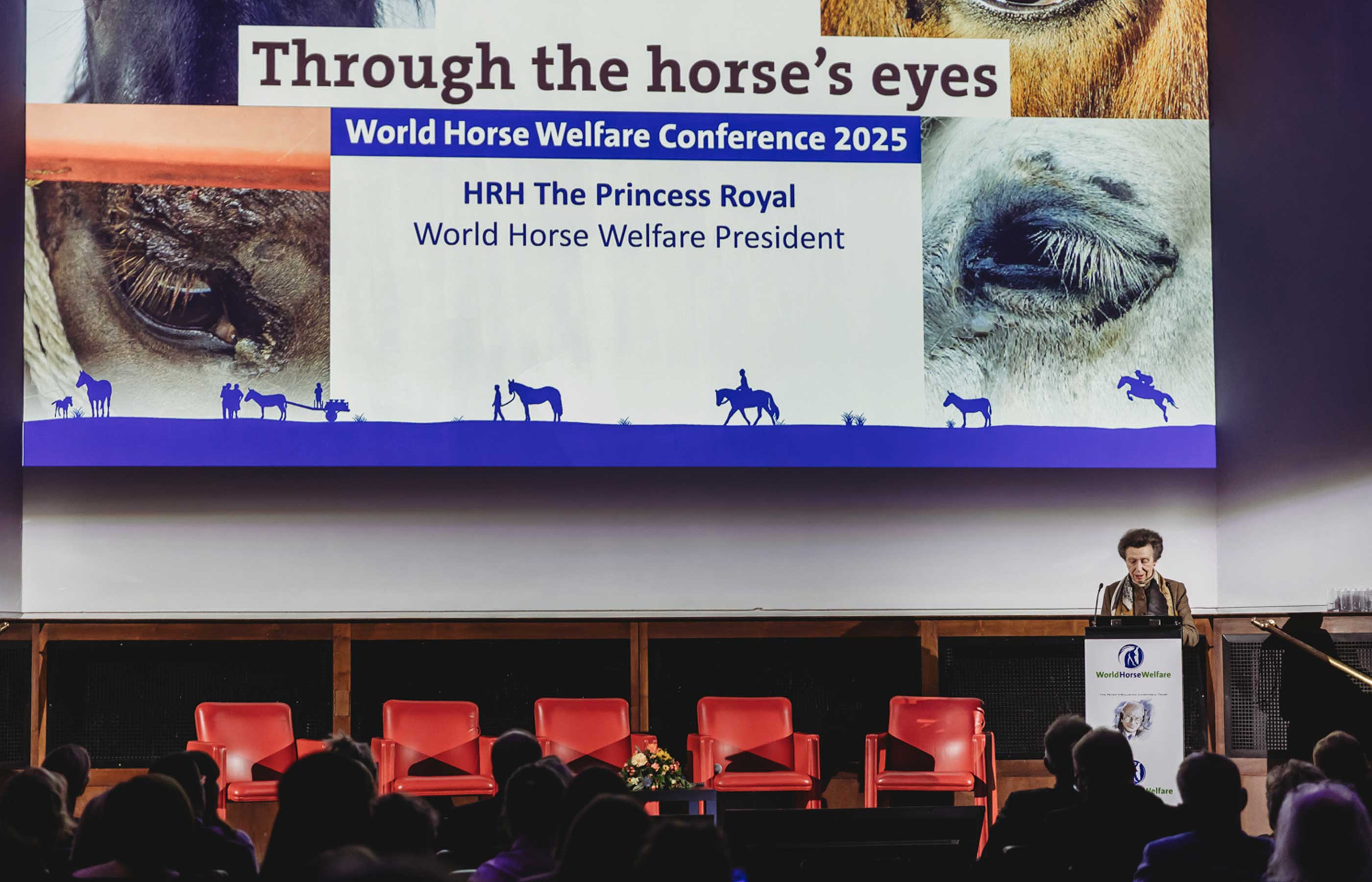
Olympic riders, vets, yard owners, researchers, a politician, and even a zookeeper explored new evidence and shared fascinating insights into just what it means to view the world Through the horse’s eyes at our annual conference in London and online on Friday 21st November. The event welcomed speakers and attendees from around the world and inspired the audience to consider how they care for and train their horses from the horse’s perspective.
The importance of a horse-centric approach was highlighted throughout the day, right from the moment the our Chief Executive, Roly Owers, explained that the theme was chosen because, “putting the horse at the centre of our thinking quite simply is the most powerful way to improve horses’ lives”.
Ethologist Janne Winther Christensen from Aarhus University kicked off the presentations by exploring the evidence on how horses think and feel. “Horses are sentient beings and they have emotions, just like us,” she explained. “When horses experience fear, it’s the same part of the brain that activates [as in humans]”. Janne also emphasised that horses need to move and forage and that, for horses, “social contact is not just nice to have, it’s a need to have”.
Dr Saad Bukhari from the City University of Hong Kong shared his latest research, revealing that “donkeys are not stoic – they have the same feelings as other animals; they feel pain, they have emotions and they express their emotions similarly to horses”. He also explained that the hair cortisol levels of donkeys who have been beaten by their owners or carried heavier loads relative to their bodyweight in the last six months are significantly higher, showing the physical impact of negative experiences and chronic stress. Sharing results which demonstrated that owners who believed their donkeys had emotions and felt pain took much better care of them than owners who did not believe their animals felt pain, Dr Saad concluded, “If we want to enhance the welfare of donkeys on the ground, we need to increase the understanding of their owners.”
Olympic rider and World Horse Welfare Patron Pippa Funnell MBE shared insights into how her own approach has evolved since falling in love with horses as a pony-mad child. “Throughout my career I have tried my absolute utmost to see things through my horses’ eyes,” she revealed. Pippa emphasised that trust is vital in horse-human relationships, reminding the audience that it takes years to build and can be lost in a moment.
“To build that trust, we have to ensure that the first time for everything is as stress-free as possible,” Pippa explained. “We do everything we can to avoid confrontation [when working with young horses]. A bad experience at the beginning can affect them for a very long time.”
Joining the conference from Colorado, Rick Hester from Cheyenne Mountain Zoo encouraged us to consider the environment we provide for our horses, explaining how animals’ environments should allow them to exhibit their natural inherent behaviours. He commented that:
“An environment is insufficient when it lacks diversity, variety, and variability. A behavioural repertoire is insufficient when it lacks diversity, variety, and variability. In this way we see how behaviour and environment mirror one another – they move together. To change behaviour, we change the environment.”
Using an example of providing the sound of running water to encourage beavers to build dams in the absence of running water itself, he illustrated how we can explore reinforcers that enable desired behaviours and provide enrichment even if we are unable to provide an ideal environment.
To illustrate how some of Rick’s research findings could be applied directly to horse care, vet nurse Sam Tibbetts shared how she’s developed her equine rehabilitation clinic and livery yard completely around the needs of horses. Reflecting on a 25-year career as a vet nurse and experience on both sides of the Atlantic, she said, “I noticed we were great at fixing horses physically but rarely had the time to help them mentally”. Sam highlighted that allowing horses the agency to make their own decisions can increase their resilience, helping them be more able to cope with stressful events in the long run. She explained that by using cooperative care she empowers horses, “to actively participate in their own health care journey, which gives them autonomy over their own body. This reduces fear, anxiety and stress, and makes for safer clinical examinations.”
The discussion panel, featuring BEVA President Imogen Burrows, Sarah Jenkins from Horse & Hound, Zara Tindall MBE, and the Rt Hon Liz Saville Roberts MP, produced a range of thought-provoking opinions. Reflecting on the evolution of the way in which horses are kept and used, Liz said, “We need to be very alert and not automatically say no to all these changes that are going to possibly be expected of us in the future. We need to be ahead of them and make sure that we respond to them in a way that is seen to put the horse’s welfare first.”
Reflecting on a lightbulb moment that changed her own approach to vet visits, Imogen commented, “There’s so much in everyone’s jobs… you’re trying to keep pace and do your professional development and a lot of that in the veterinary world has been biased towards physical health – how can I make this horse less lame? How can I make them stop coughing? How can I do this, how can I do that – I just had this moment where I felt like I was getting lost and becoming a bit of a performing machine, and actually this wasn’t what drove me. What drove me was what that horse’s experience was and how I could make that better.”
Referencing how they help horse owners through their printed magazine who are already experienced and have a degree of knowledge, Sarah said: “To suggest that perhaps something we have done for a very long time is wrong wouldn’t be the way to go. So we take a view in print that we present research, we present the science and we allow people to form their own opinions based on the knowledge they already have.” She also said that, “The media plays at key role in cutting through misinformation, ensuring they check the facts and they go to the most experienced and knowledgeable minds.”
In her closing address, our President, Her Royal Highness The Princess Royal, reminded the audience of the 3 Fs – friends, forage and freedom – and that everyone has a role to play in making it easier and more acceptable for animals to continue to have a relationship with humans.
Summing up, Roly urged the audience to reflect on what they’d heard during the event. “What does this all mean? What are you going to do differently when you get home to your horses tonight?” he asked. “We’ve heard a lot that we should be guided by the evidence. We should also be informed by experience and I think that’s something we can really challenge ourselves on. Looking back, how much of our experience has been through our eyes, rather than our horses’ eyes? Looking at it again, we might see things a little differently.”
World Horse Welfare would like to thank the headline sponsor of the Conference, The Sir Peter O’Sullevan Charitable Trust, as well as the supporters of the event, the Horserace Betting Levy Board.
Share
Topics
Related News
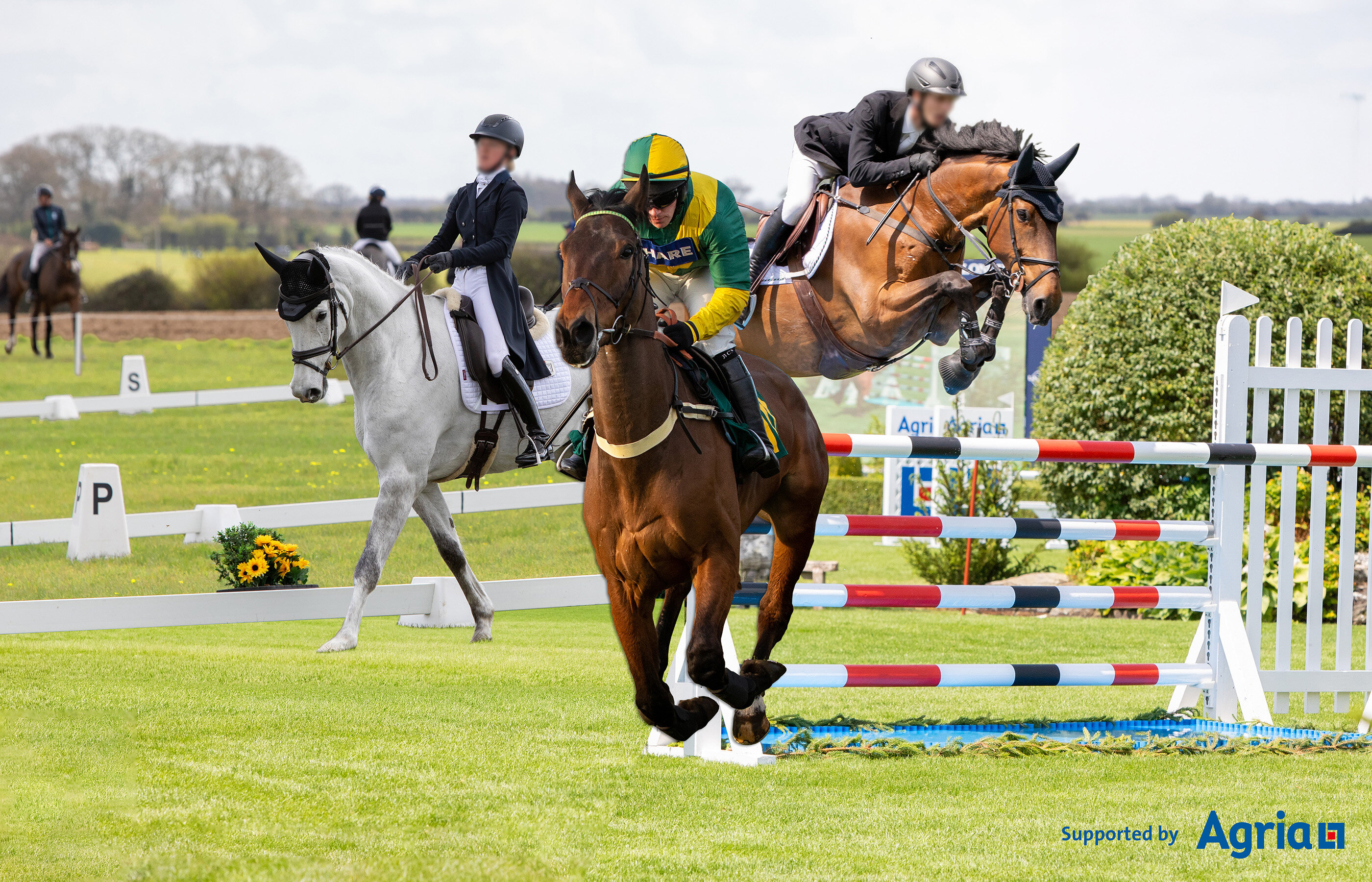
7 in 10 UK adults believe a horse’s wellbeing “should always take priority, regardless of the effect on performance”
Our charity will reveal results of annual YouGov opinion poll at a briefing for horse sport leaders and the media on 3rd June.
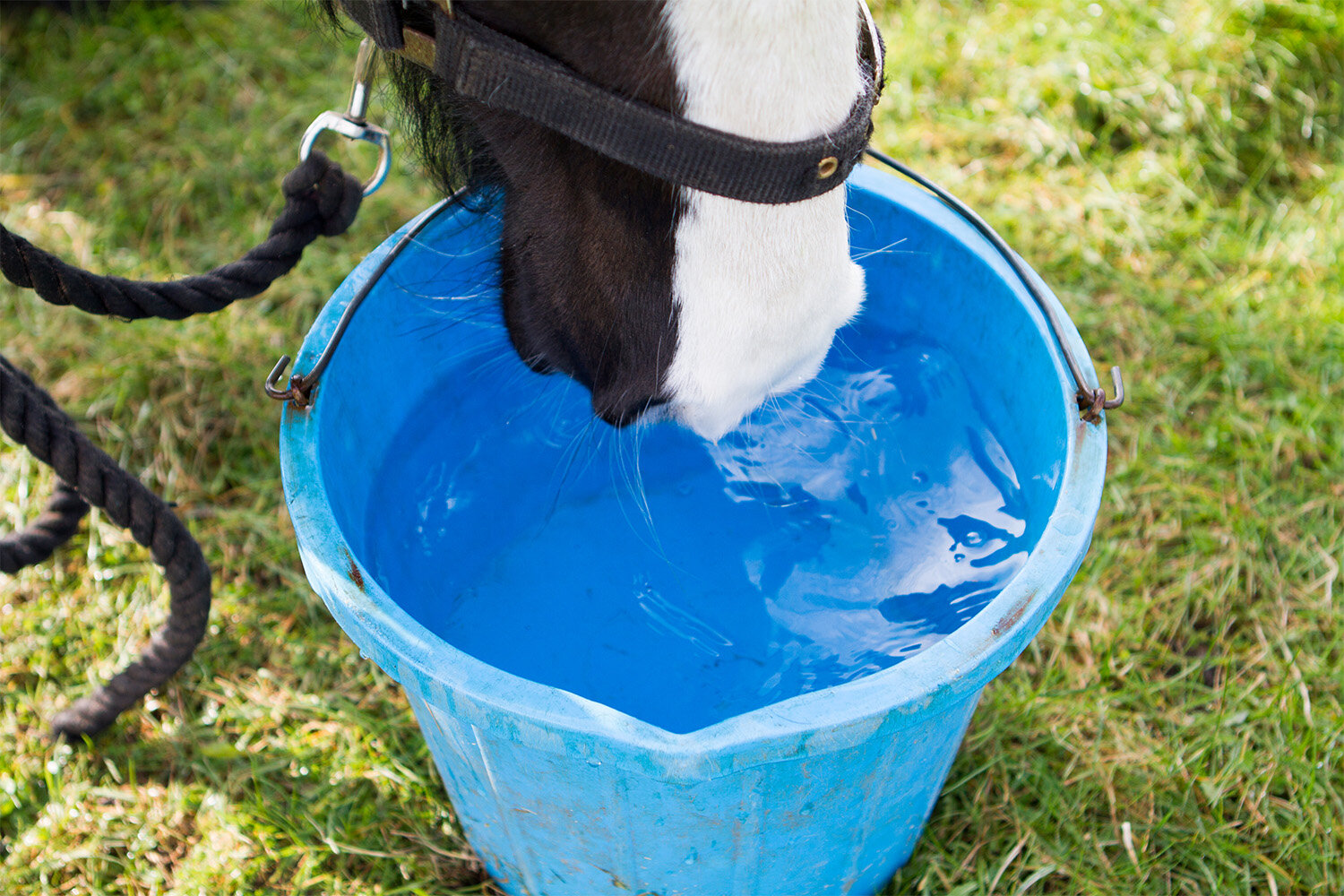
World Horse Welfare at Appleby Horse Fair 2024
Welfare charity team to highlight importance of watering horses
Recommended Blog Posts

Rescued Horse Appreciation Month: Pablo, Tess, Ruby and Nellie
Celebrating second chances — and the people who make them possible.

The importance of foals having good experiences from birth
Foals born in our rescue and rehoming centres will receive expert, patient handling from day one – we caught up with yard supervisor Lorraine to hear more.
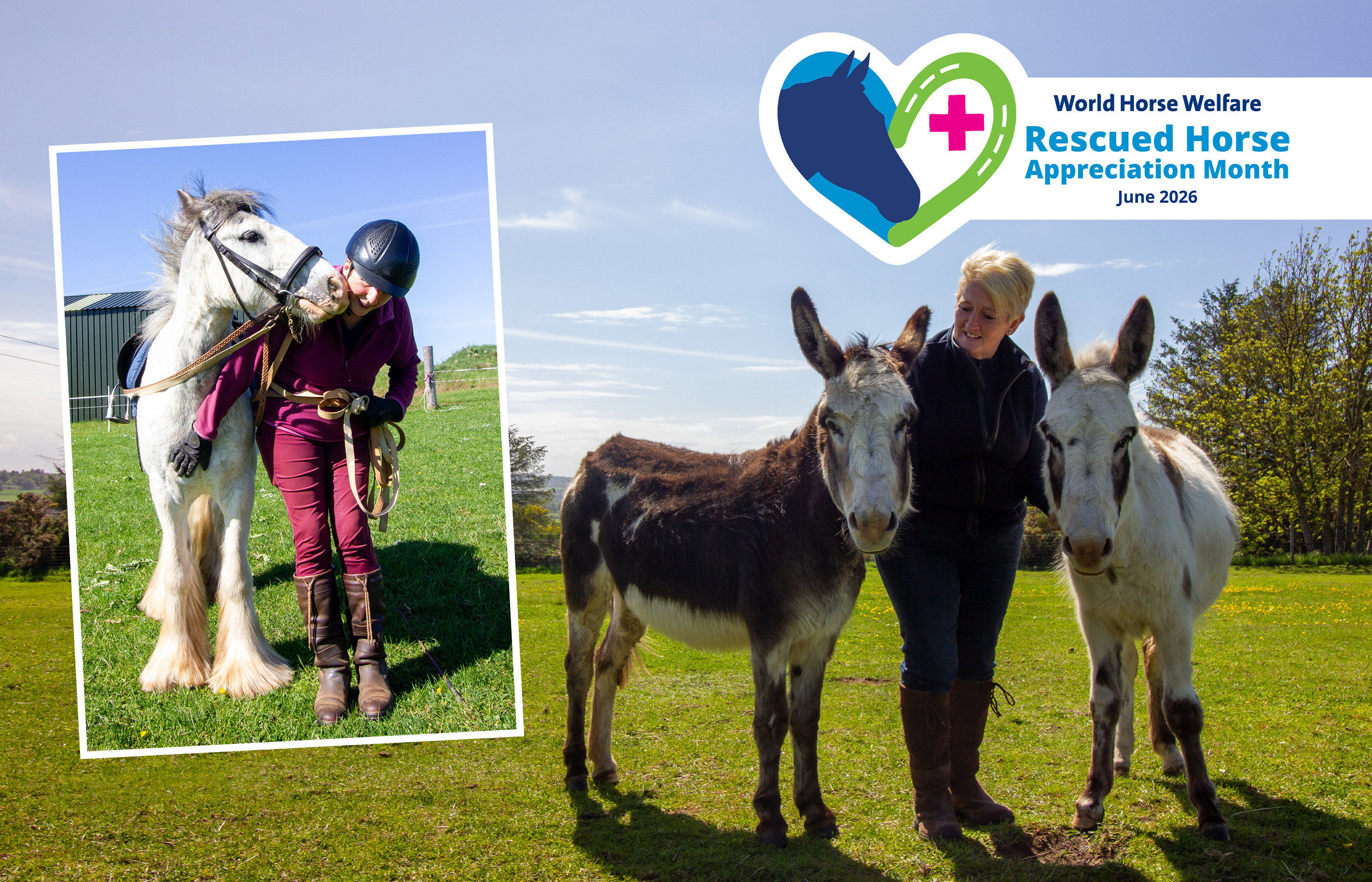
Rescued Horse Appreciation Month: Peanut, Popcorn and Pascal
Celebrating rescued horses and the life-changing impact of rehoming.
Enjoy reading stories like this?
Join over 65,000 other horse lovers and sign up for our email newsletter
Join over 65,000 other horse lovers and sign up for our email newsletter
Sign me up now
