
An insight into the role of a Rehoming Officer
We catch up with Gemma Barry to find out what life is like as a World Horse Welfare Rehoming Officer.
Posted on 12/12/2025
Share


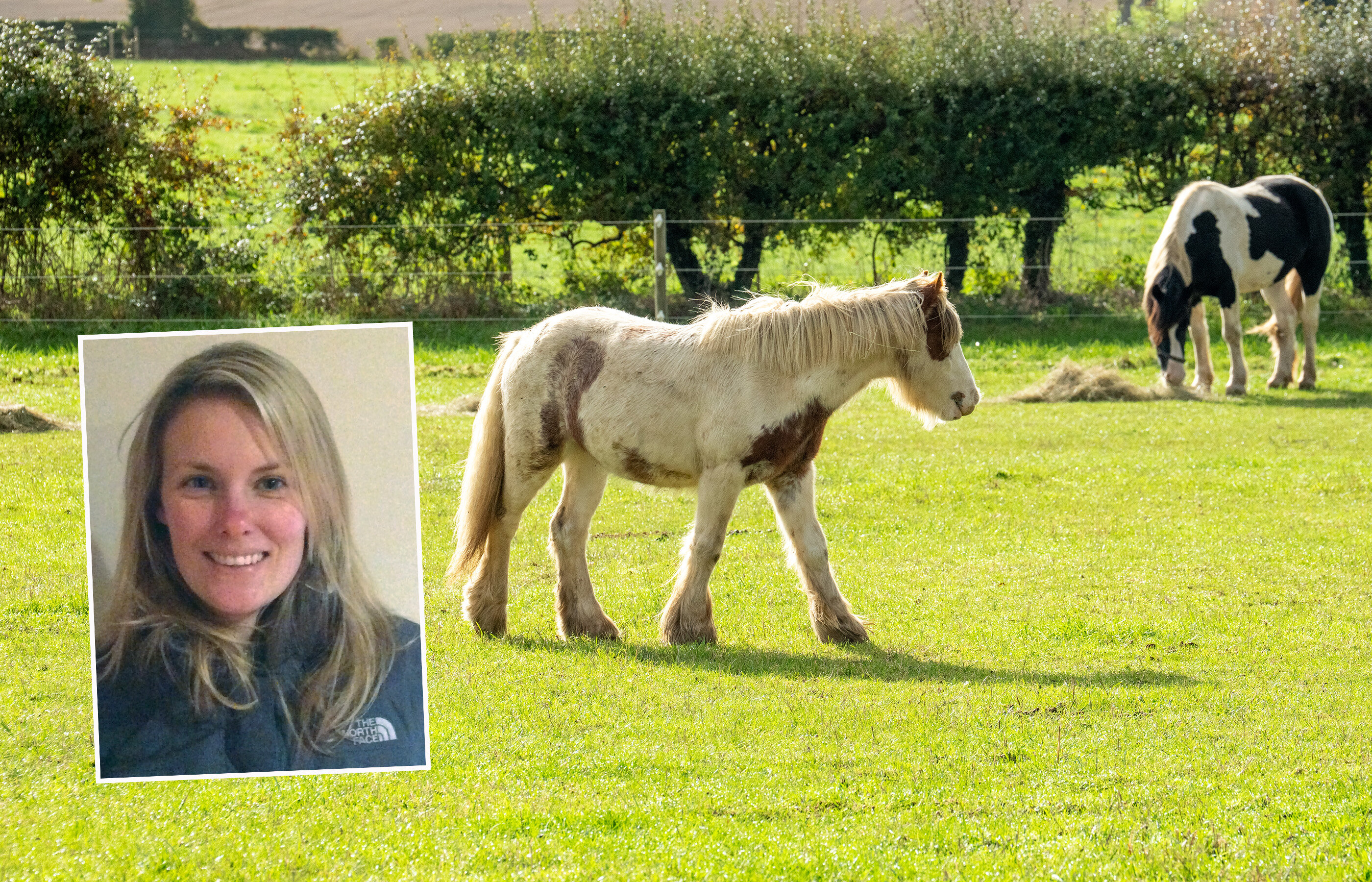
Our team of 10 Rehoming Officers, together with our Field Officers, check on our 2,265 rehomed horses, ponies, donkeys and mules currently out in loving homes. Collectively, they carry out over 4,000 visits to our rehomed horses every year.
Rehoming Officer Gemma Barry has worked with World Horse Welfare for 11 years and covers the areas of Devon, Cornwall and parts of Somerset. Here she tells us more about the role of our Rehoming Officers.
Have horses always been a part of your life?
I have worked with horses forever, but they first came into my life at the age of seven and I was very lucky to get my first pony, April, when I was eight. I started my career in Belgium working with showjumpers and then completed a degree with Bicton College/Plymouth University. I then went on to work with Millfield School and eventually back to lecturing at Bicton College.
Tell us a bit about the role of the Rehoming Officer at World Horse Welfare?
As Rehoming Officers, we are there to support our rehomers and make sure all of our rehomed horses are happy and enjoy a good standard of care. We each have an allocated region and within that area we are responsible for World Horse Welfare’s horses, ponies, donkeys and mules who have been rehomed. We organise to visit them twice a year to check on them, make sure they are up-to-date with vaccinations and offer advice if rehomers need it or ask for it.
We frequently build lovely relationships with our rehomers, who can often have our horses for the rest of their lives. You get to see the transition of shy horses into more confident ones and see their personalities develop over time.
What is life like as a Rehoming Officer? Every day must vary enormously!
We get to travel around our local area and see some amazing rehomers and find out what they have achieved with our horses, ponies, donkeys and mules. It is a lovely role, and we see the highs and lows that come with looking after horses and in particular, horses that may have had a hard start in life.
A typical day will often mean visiting 4-6 horses, depending on the area and distance between them. In some cases, we may not see the rehomers due to their own work commitments and with others we may have time for a cup of tea with them. The only bugbear for most of us is probably the traffic!
Many of our Rehoming Officers work within the equine industry alongside their part-time role at World Horse Welfare, how important is this?
As well as working for World Horse Welfare I have my BHSI coaching qualification, teach freelance and I am the Pony Club UK Overseas Coordinator. It is very important we are in the industry and have the experience and qualifications, as we are there to give up-to date advice on anything from feeding to laminitis. It also helps us understand the general concerns of a rehomer and the issues they may come across with individual horses.
When one of our supporters steps forward to rehome a horse, our Field Officers will do an initial home approval visit and then you step in, can you tell us how you work to support our horses and their rehomers?
Every situation is unique. Some rehomers are extremely knowledgeable and will often not need any advice but others may want advice on certain topics or just like to have the opportunity to be able to discuss ideas on how to manage weight or introduce their new horse to the rest of their herd. We can act as a sounding board for rehomers which, in turn, can help the new horses settle in quickly and become part of the family.
I find some of my best ideas have come from visiting rehomers and seeing how they have developed a track system or what fly repellent they have used. Often the advice I may be giving could be from another rehomer who has found something useful. I have found myself taking ideas homes to my own horse, for example I now have hay balls for my own ponies, thanks to a rehomer on the Isle of Wight!
What are the common challenges you face in your role?
Helping rehomers manage the weight of their horses. A lot of our rehomed horses are companions and often can have restrictions on the type of work they can do. They can often be a companion for a ridden horse as well, so different approaches to their diet is needed.
We know that circumstances can change for anyone so your regular visits to rehomers and ponies must be of great support…
This is probably one of the most important reasons our 6-monthly visits happen. Even experienced rehomers can have something in their life that changes, and they may feel they need to chat to us to see if they can keep the horses. It means our horses are always safe and if someone feels they can no longer continue the care as they would want, we can support them and, if needed, arrange for the horse to return into our care so they can find another loving home.
You must see so many happy endings as our rehomed horses settle into new families and flourish…
I see so many happy horses with our rehomers. One called Maple has been with her rehomer for years now and has just recently won a driving class at the Royal Cornwall Show. Maple is very much part of the family. Another pony called Betsy is out with her young rider, participating in Pony Club events and very much helping a young teenager gain more confidence.
Sometimes though, it is the simple achievements you see when you turn up. A previously timid horse or one lacking in confidence is thriving in their new environment and will start to approach you when you visit.
We hear so many stories of how our horses have been brilliant, whether that’s with the rehomer’s grandchildren or through their own antics, which range from a love of exploring to a penchant for putting their front feet in water troughs! They all have amazing personalities that get to shine through thanks to our rehomers.
As the UK’s largest equine rescue and rehoming organisation, we rehome around 300 horses each year as companions, youngsters, competition horses and everything in between. There are huge advantages to rehoming, including helping more horses to be rescued.
If you could offer one of our horses a loving home, head over to our rehoming pages to see all the horses ready to find new homes.
Share
Topics
Related Blog Posts
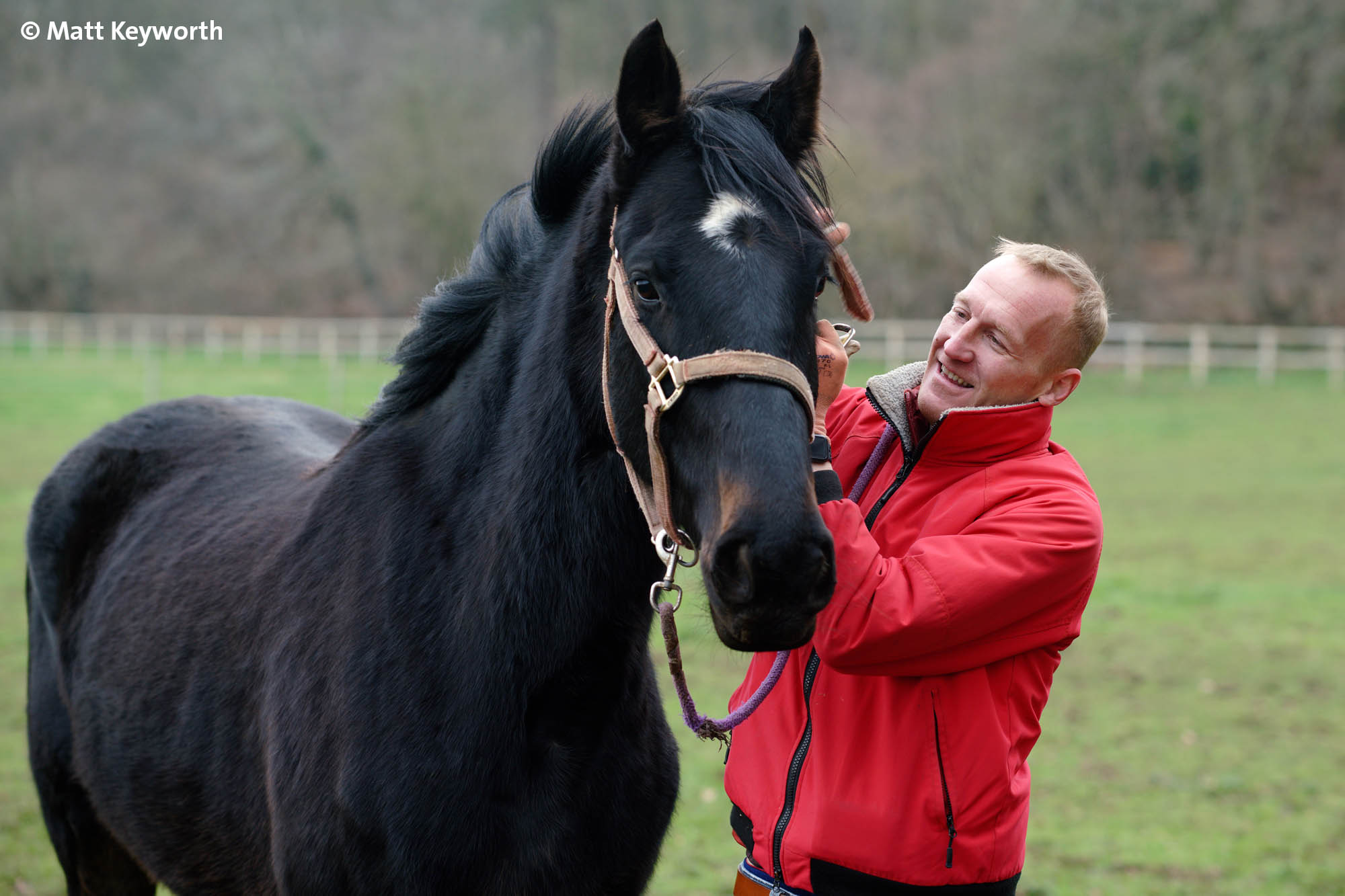
How I came to rehome Romeo
Field Officer Chris Shaw describes how he came to rehome Romeo after attending a welfare concern back in 2015.

Caring for 19 unhandled ponies? All in a day’s work!
Glenda Spooner Farm grooms Amy and Emily describe how a group of unhandled new arrivals kept them very busy last year.
Recommended News Articles
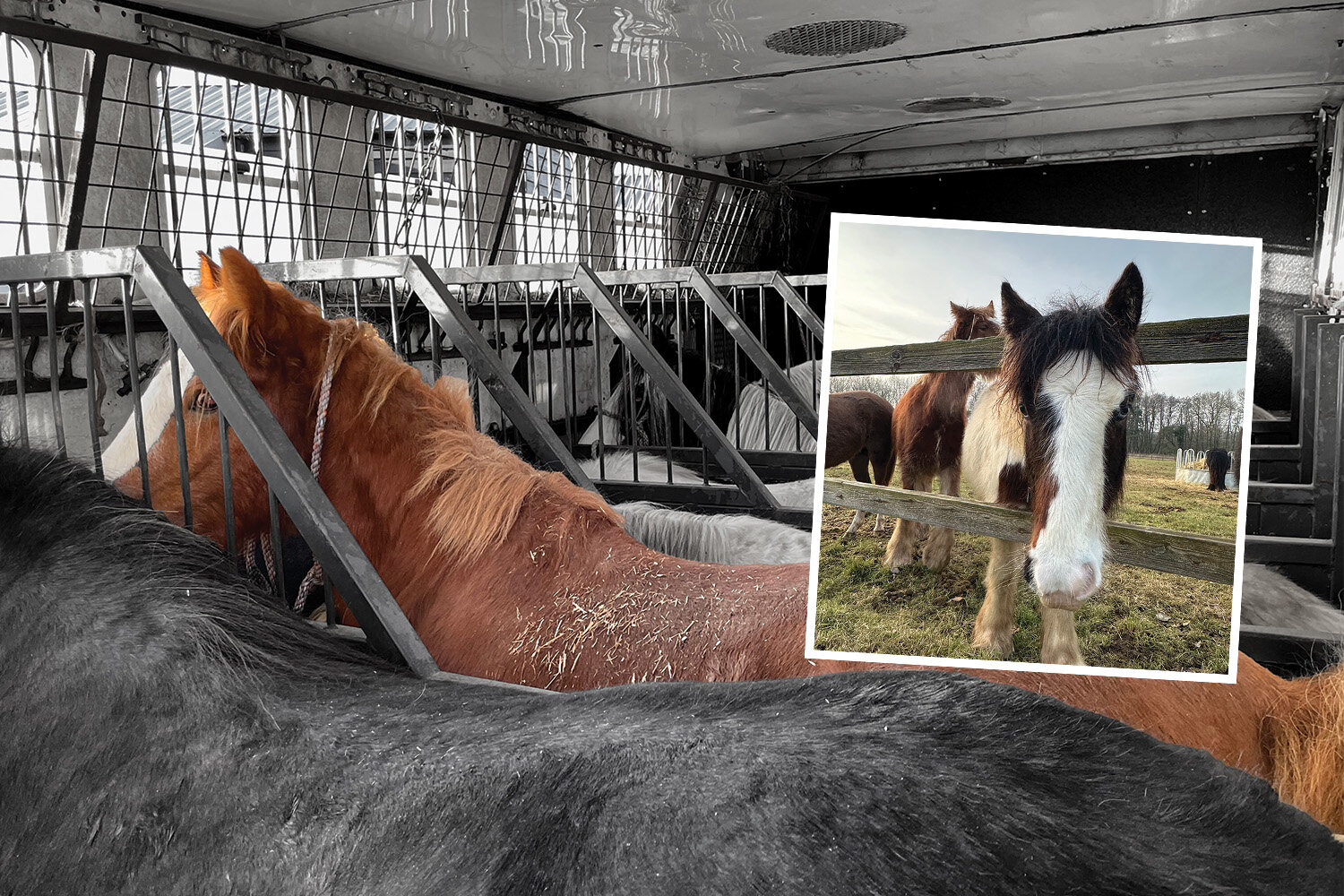
Horses rescued from being cruelly smuggled abroad are progressing well
The Dover 26 - where are they now?

Revealing our ambitious environmental commitments
We are proud to announce the launch of our Environmental Sustainability Strategy as first steps towards becoming net zero
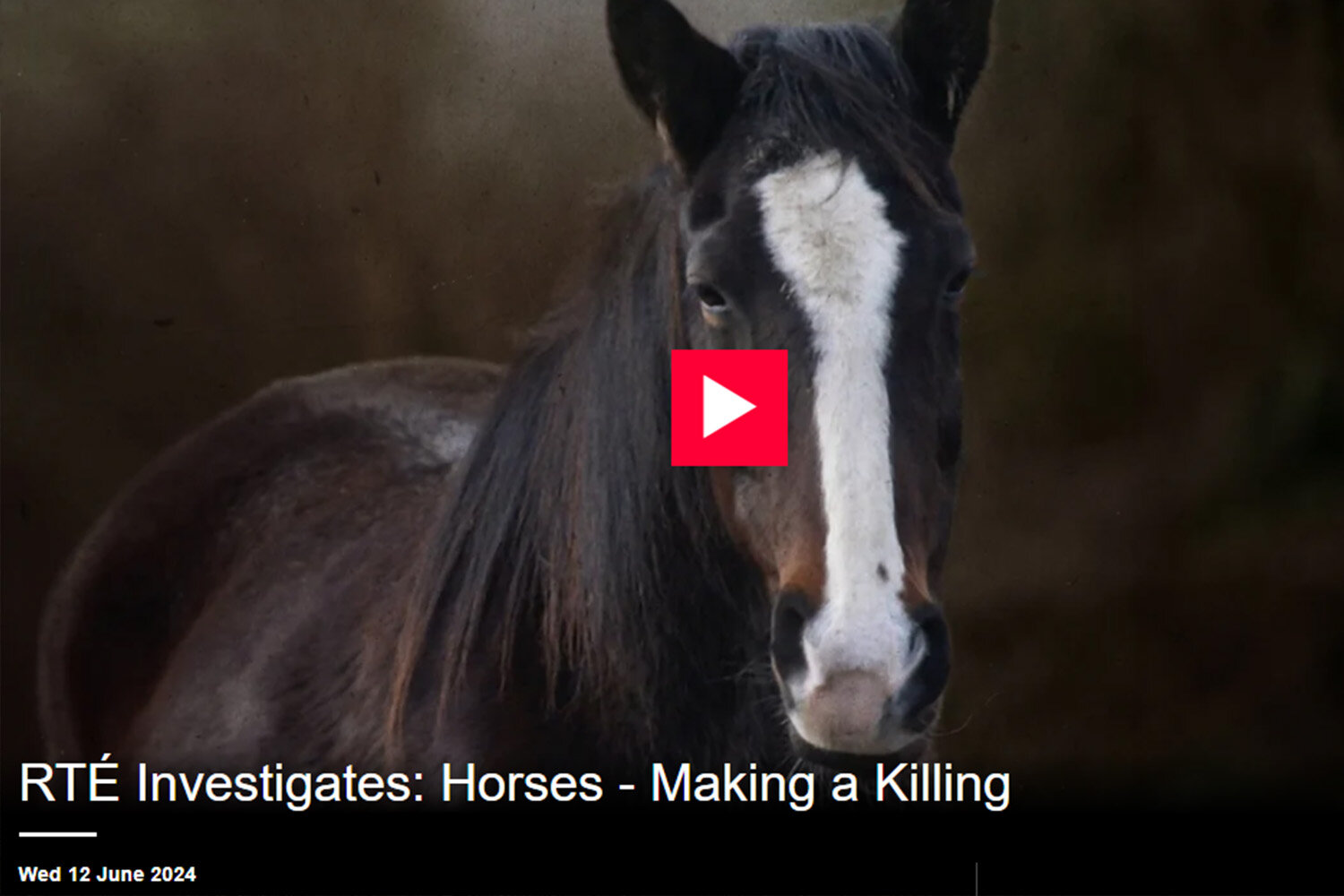
Outrageous slaughterhouse cruelty revealed in RTÉ documentary
A documentary by Irish broadcaster RTÉ, shown yesterday evening, has left our charity outraged at the shocking acts of cruelty captured within an Irish slaughterhouse lairage.
Enjoy reading stories like this?
Join over 65,000 other horse lovers and sign up for our email newsletter
Join over 65,000 other horse lovers and sign up for our email newsletter
Sign me up now
